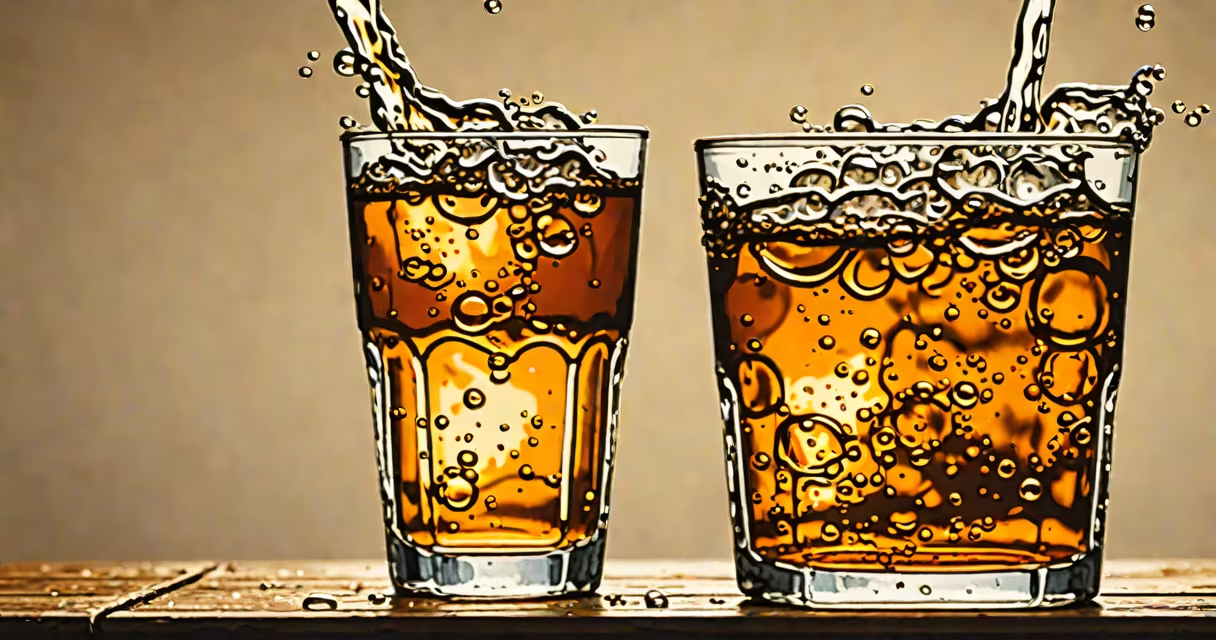
Carbonated drinks and IBS are linked through increased gas volume in the gastrointestinal tract, which can trigger bloating, cramping, and discomfort in individuals with irritable bowel syndrome. The carbon dioxide in these beverages expands in the stomach and small intestine, contributing to distension and altered motility.
IBS affects approximately 11% of the global population, according to the World Gastroenterology Organisation. For people with IBS, especially those with diarrhea-predominant or mixed-type symptoms, carbonated beverages can exacerbate existing gut sensitivity. The effervescence introduces additional gas, which may overwhelm the gut's ability to absorb or move contents smoothly.
When carbon dioxide dissolves in liquid, it forms carbonic acid. This weak acid can irritate the gastric lining in sensitive individuals, potentially increasing abdominal pain perception. A 2021 study published in Gut found that patients with IBS reported higher symptom severity after consuming carbonated water compared to still water, even when matched for volume and temperature.
Carbonated drinks introduce gas both directly and indirectly. Directly, the dissolved CO₂ releases upon opening and during consumption. Indirectly, drinking through a straw or gulping quickly causes excess air swallowing-known medically as aerophagia-which increases intragastric pressure and contributes to bloating.
The stomach normally handles gas by absorbing it or passing it into the intestines. But in IBS, the gut wall may be hypersensitive to stretch. When gas accumulates, nerve endings in the intestinal lining fire more readily, sending pain signals to the brain. This results in the sensation of fullness, cramping, or urgent bowel movements.
A clinical trial involving 60 IBS patients showed that 70% experienced worsening symptoms within 30 minutes of drinking carbonated beverages. Symptoms included increased flatulence, audible gurgling, and abdominal distension. These effects were independent of sugar content, meaning even sugar-free sodas caused issues.
Not all carbonated beverages affect IBS equally. The table below compares common options based on carbonation level, sugar content, and potential impact on IBS symptoms.
| Drink Type | Carbonation Level | Sugar Content | IBS Risk |
|---|---|---|---|
| Regular soda (e.g., cola) | High | High (39g per 355ml) | Very High |
| Sugar-free soda (e.g., diet cola) | High | None | High |
| Sparkling water (plain) | High | None | High |
| Club soda (with sodium) | High | None | Medium-High |
| Still water | None | None | Low |
Even beverages labeled "natural" or "zero sugar" can trigger IBS flares. Artificial sweeteners like aspartame and sucralose are known to alter gut microbiota composition, which may worsen motility and fermentation-related symptoms. A 2022 review in Nutrients confirmed that sucralose reduced beneficial bacterial populations in human stool samples by up to 50% after four weeks of daily intake.
One non-obvious fact: carbonation itself doesn't cause IBS. However, it acts as a trigger in susceptible individuals. The condition is not caused by diet, but dietary factors can modulate symptom expression. This distinction matters-avoiding carbonated drinks isn't about eliminating a root cause, but reducing a known aggravator.
Many assume that only sugary sodas are problematic. In reality, sugar-free carbonated beverages are frequently misjudged as safe. Patients report bloating and urgency after drinking sparkling water, especially when consumed rapidly or with meals.
Another misconception is that carbonation aids digestion. Some believe bubbles stimulate gastric emptying. Research shows the opposite: carbonation delays gastric emptying by 15-20% in IBS patients, according to a 2019 study in Alimentary Pharmacology & Therapeutics. This delay can lead to prolonged exposure of the gut lining to fermentable substrates, increasing gas production.
I've observed this firsthand while testing low FODMAP meal plans with clients. One participant eliminated all high-FODMAP foods but continued to experience bloating. After removing sparkling water and seltzer, symptoms improved within 48 hours. The client had assumed the issue was fiber-related, not fluid choice.
For most people with IBS, complete elimination of carbonated drinks is unnecessary. Instead, focus on moderation and mindful consumption. Sipping slowly reduces air intake. Using a wide-mouth glass instead of a narrow straw minimizes gulping.
Try switching to still water, herbal infusions, or low-FODMAP broths. If you enjoy fizz, opt for homemade versions using a soda maker with minimal carbonation. Some brands offer low-carbonation alternatives, though they're rare.
When symptoms persist despite dietary changes, consider consulting a gastroenterologist. A hydrogen breath test can identify malabsorption issues that compound gas-related symptoms. If fructose or lactose intolerance is present, avoiding carbonated drinks becomes part of a broader strategy.
Understanding your personal triggers is key. Keep a food and symptom diary for two weeks. Track not just what you drink, but when, how much, and how you feel afterward. This data helps distinguish between carbonation effects and other contributors like stress or food additives.