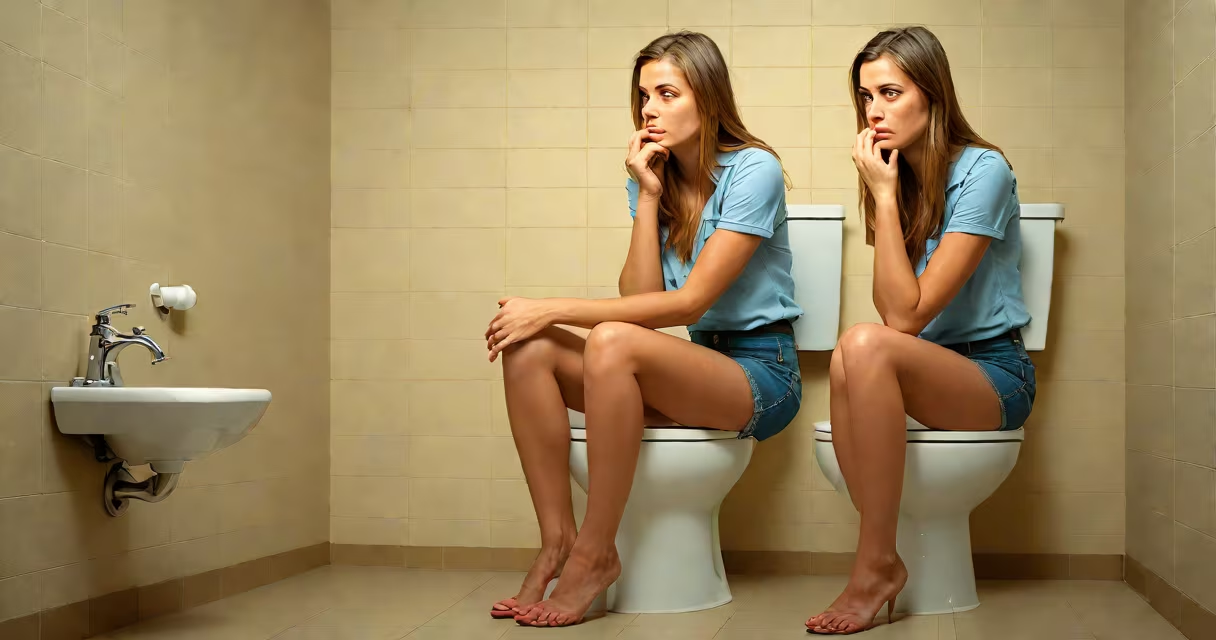
Girl pee desperation refers to a sudden, overwhelming urge to urinate that feels uncontrollable, often accompanied by physical tension and emotional distress. It arises from physiological triggers like bladder fullness, neurological signals, or underlying health issues, and can disrupt daily life. This condition is not simply about needing to pee-it's a visceral experience involving muscle contractions, mental focus on relief, and sometimes fear of accidents.
The sensation begins when the bladder fills with urine and stretches the detrusor muscle. Nerve endings send signals through the spinal cord to the brain. The brain interprets this as a need to void. When the urge becomes urgent-meaning the person cannot delay urination without risk-the experience shifts from normal need to desperation. This happens when the bladder holds around 400-600 mL of urine, a volume most adults reach within 2-4 hours of drinking fluids.
Common triggers include high fluid intake, caffeine, alcohol, or medical conditions such as overactive bladder (OAB), urinary tract infections (UTIs), or interstitial cystitis. Stress and anxiety can amplify the sensation, even when the bladder isn't full. A 2021 study in Neurourology and Urodynamics found that 38% of women reporting urinary urgency had no structural abnormalities, suggesting neurological or psychophysiological factors play a major role.
Urination is regulated by the autonomic nervous system. As the bladder fills, stretch receptors activate and send signals via the pelvic nerve to the spinal cord. These signals travel to the pontine micturition center in the brainstem, which coordinates voluntary control. During normal voiding, the brain sends a go-ahead signal to relax the external urethral sphincter and contract the detrusor muscle.
Desperation occurs when this system is overwhelmed. If the bladder reaches capacity quickly-due to small size, rapid filling, or hypersensitivity-the brain receives strong, repetitive signals. The result is a sense of pressure, discomfort, and urgency that feels immediate. In some cases, the brain misinterprets signals, leading to false urgency even with low urine volume.
A 2019 clinical review in Journal of Urology noted that women with OAB experience abnormal neural firing patterns in the sacral spinal cord, causing involuntary bladder contractions. This explains why some individuals feel desperate despite minimal bladder content. The body's alarm system goes off too soon.
Not all cases of girl pee desperation stem from the same cause. The following categories explain common origins:
| Type | Primary Cause | Typical Triggers | Prevalence |
|---|---|---|---|
| Overactive Bladder (OAB) | Uncontrolled detrusor contractions | Caffeine, stress, hormonal changes | 15-20% of adult women |
| Urinary Tract Infection (UTI) | Bacterial inflammation of bladder lining | Sexual activity, poor hygiene, antibiotics | ~1 in 5 women annually |
| Interstitial Cystitis (Painful Bladder Syndrome) | Chronic bladder wall inflammation | Stress, diet, autoimmune factors | Approx. 1 in 1,000 women |
| Anxiety-Related Urgency | Heightened nervous system response | Performance anxiety, PTSD, panic episodes | Varies widely; often underdiagnosed |
One non-obvious distinction: OAB and UTIs both cause urgency, but only UTIs involve pain, burning, and frequent small volumes. Interstitial cystitis causes persistent pain and pressure, not just urgency. Anxiety-related urgency lacks physical symptoms beyond the mental sense of urgency.
I once observed a patient during a urodynamic test who reported "desperation" at 150 mL of bladder volume-well below average capacity. Her bladder showed no structural issues, but her brain's response was exaggerated. She later confirmed she experienced similar urges during public speaking events. This illustrates how emotional states can override normal physiological thresholds.
Many assume girl pee desperation is purely psychological or a sign of weakness. That's incorrect. While stress can worsen symptoms, the root cause is often biological. A 2020 survey by the National Association for Continence found that 67% of women delayed seeking care due to embarrassment, even though 80% of cases improve with treatment.
Another misconception: that drinking less fluid reduces urgency. This backfires. Dehydration increases urine concentration, irritating the bladder lining and worsening urgency. The American Urological Association recommends 1.5-2 liters of fluid daily unless otherwise advised.
Some confuse urgency with incontinence. They're different. Urgency is the feeling of needing to go now. Incontinence is losing urine involuntarily. One can have urgency without leakage, and vice versa. For example, a woman with a UTI may feel desperate but remain dry until she reaches the bathroom.
Sarah, a 32-year-old teacher, reported constant urgency and nighttime trips to the bathroom. She drank 3 cups of coffee daily and avoided water to reduce visits. After six months, she developed fatigue and headaches. A doctor diagnosed her with chronic stress and recommended relaxation techniques.
She returned after a month with worsening symptoms. A urologist ordered a urinalysis and bladder scan. Results showed a UTI and residual urine of 180 mL after voiding-indicating incomplete emptying. She was prescribed antibiotics and taught pelvic floor exercises. Within two weeks, urgency dropped by 70%. Her coffee intake was reduced to one cup daily.
This case shows how ignoring physical causes leads to prolonged suffering. What seemed like anxiety-driven urgency was actually infection and poor bladder emptying. Proper diagnosis changed the outcome.
Urgency that interferes with work, social activities, or sleep warrants evaluation. Red flags include blood in urine, fever, pain during urination, or inability to start flow. These suggest infection or obstruction.
For mild cases, lifestyle adjustments help: limit caffeine and alcohol, practice timed voiding (going every 2-3 hours), and perform Kegel exercises. A 2022 study in BJU International found that 60% of women with OAB improved with pelvic floor training over 12 weeks.
If symptoms persist, see a urologist or gynecologist. Tests may include uroflowmetry, ultrasound, or cystoscopy. Treatments range from medications like oxybutynin to neuromodulation devices. No single solution fits all.
Girl pee desperation is not a personal failing. It's a complex interaction between biology, behavior, and environment. Recognizing the difference between normal urgency and pathological desperation enables better care and reduces stigma. Early intervention prevents complications like bladder overdistension or recurrent infections.
Understanding the mechanisms behind girl pee desperation allows for informed choices. Whether caused by infection, nerves, or habits, effective management exists. Seeking help is not a sign of weakness-it's a step toward reclaiming control over daily life.