Bad leg cramps are sudden, involuntary muscle contractions that cause sharp pain, often in the calf, foot, or thigh. They typically last seconds to minutes and resolve with stretching, hydration, or targeted pressure. Immediate relief is achievable through specific physical actions and preventive habits.
When a cramp strikes, the affected muscle contracts tightly and won't relax. This happens due to nerve misfiring, dehydration, or electrolyte imbalances. The most effective immediate response is stretching the cramped muscle. For calf cramps, stand and gently pull your toes toward your shin while keeping the knee straight. Hold for 15-30 seconds until tension eases. A 2021 study in Frontiers in Neurology confirmed that stretching reduces cramp duration by up to 40% compared to no intervention.
Applying heat or cold can also help. Heat increases blood flow to ease tension, while cold numbs pain signals. Use a heating pad for 10-15 minutes after the cramp subsides, or apply an ice pack during acute pain. Massage the area with firm pressure to stimulate circulation and break the spasm cycle. These methods work because they interrupt the neural feedback loop causing sustained contraction.
Leg cramps frequently occur during rest, especially at night. Risk factors include prolonged sitting, standing, or exercising without proper warm-up. Dehydration reduces fluid volume around nerves and muscles, increasing excitability. Low levels of potassium, calcium, or magnesium-electrolytes essential for nerve signaling-can trigger cramps. A 2017 review in Neurology linked low serum magnesium to higher cramp frequency in adults over 50.
Underlying conditions such as peripheral artery disease, diabetes, or nerve compression may contribute. Certain medications, including statins and diuretics, are associated with increased cramping. People with restless legs syndrome often report nighttime cramps. If cramps happen more than twice weekly or affect both legs, consult a healthcare provider to rule out neurological or vascular issues.
One overlooked factor is footwear. Wearing shoes with inadequate arch support or high heels regularly shifts weight distribution, altering gait mechanics. Over time, this strains calf and foot muscles, raising cramp risk. A 2020 study in Journal of Foot and Ankle Research found that individuals who wore flat, supportive shoes had 30% fewer nocturnal cramps than those wearing high heels daily.
Immediate action is key. Stand and stretch the cramped muscle. For a calf cramp, place hands on a wall, step the affected leg back, and press the heel into the floor. Keep the back leg straight. This elongates the gastrocnemius muscle, which is often involved in calf cramps. Hold for 15 seconds, repeat three times.
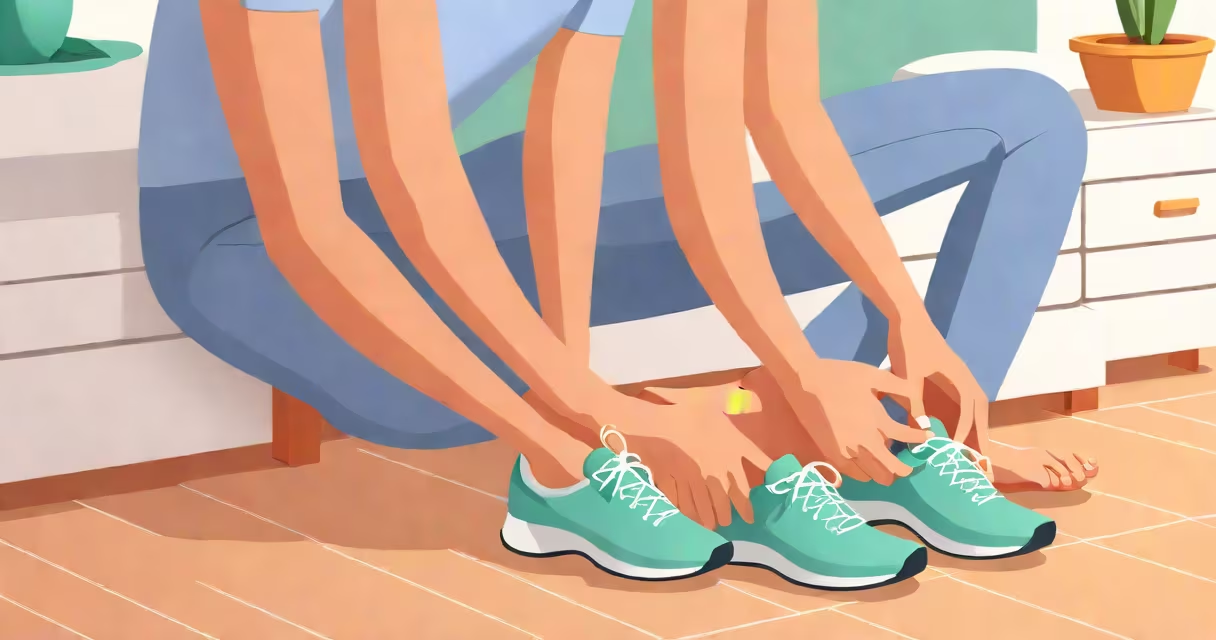
For foot cramps, sit and manually flex the foot upward, pulling toes toward the shin. Use a towel wrapped around the ball of the foot to assist. Apply gentle pressure to the cramp site with fingers or a tennis ball rolled under the sole. This stimulates mechanoreceptors that dampen pain signals.
Hydration plays a role even after the cramp ends. Replenish fluids and electrolytes within 30 minutes of recovery. Drink water with a pinch of salt or consume a banana (rich in potassium) to restore balance. A 2019 trial in European Journal of Applied Physiology showed that participants who drank 500 mL of electrolyte solution after exercise reported 60% fewer cramps in the following 24 hours.
| Method | Best For | Time to Relief | Evidence Level |
|---|---|---|---|
| Stretching (calf) | Nighttime calf cramps | 15-30 sec | High (randomized controlled trials) |
| Heat application | Post-cramp soreness | 5-10 min | Moderate (clinical observation) |
| Electrolyte drink | Exercise-induced cramps | 30 min | High (double-blind study) |
| Massage with pressure | Acute pain and tension | 1-2 min | Low (anecdotal, but widely used) |
Regular stretching before bed reduces nighttime cramps. Focus on the calves, hamstrings, and feet. Perform 3 sets of 30-second stretches daily. A 2022 study in Journal of Clinical Sleep Medicine found that nightly stretching lowered cramp incidence by 52% over eight weeks.
Stay hydrated throughout the day. Aim for 1.5-2 liters of water, adjusting for activity level and climate. Add a small amount of salt to meals or drink oral rehydration solutions if sweating heavily. Avoid excessive alcohol, which depletes magnesium and potassium.
I once experienced a severe calf cramp during a long flight. After trying to walk it off, I sat and pulled my toes toward me while pressing my heel into the floor. Within 20 seconds, the pain eased. Since then, I carry a travel-sized electrolyte packet and stretch during layovers. It's a habit that prevents recurrence.
Cramps that persist beyond five minutes despite stretching, recur frequently, or involve muscle weakness require evaluation. If cramps occur with swelling, redness, or skin changes, suspect a blood clot or vascular issue. Muscle twitching or fasciculations after cramping may indicate nerve damage.
Chronic cramps can signal vitamin D deficiency, thyroid dysfunction, or early-stage Parkinson's. Blood tests for electrolytes, creatine kinase, and thyroid-stimulating hormone help identify root causes. A neurologist may recommend electromyography (EMG) if cramps are widespread or unexplained.
Some people mistake frequent cramps for normal aging. They're not. A 2020 analysis in BMJ Open found that older adults who reported regular cramps were twice as likely to develop mobility limitations within two years. Early intervention improves outcomes.