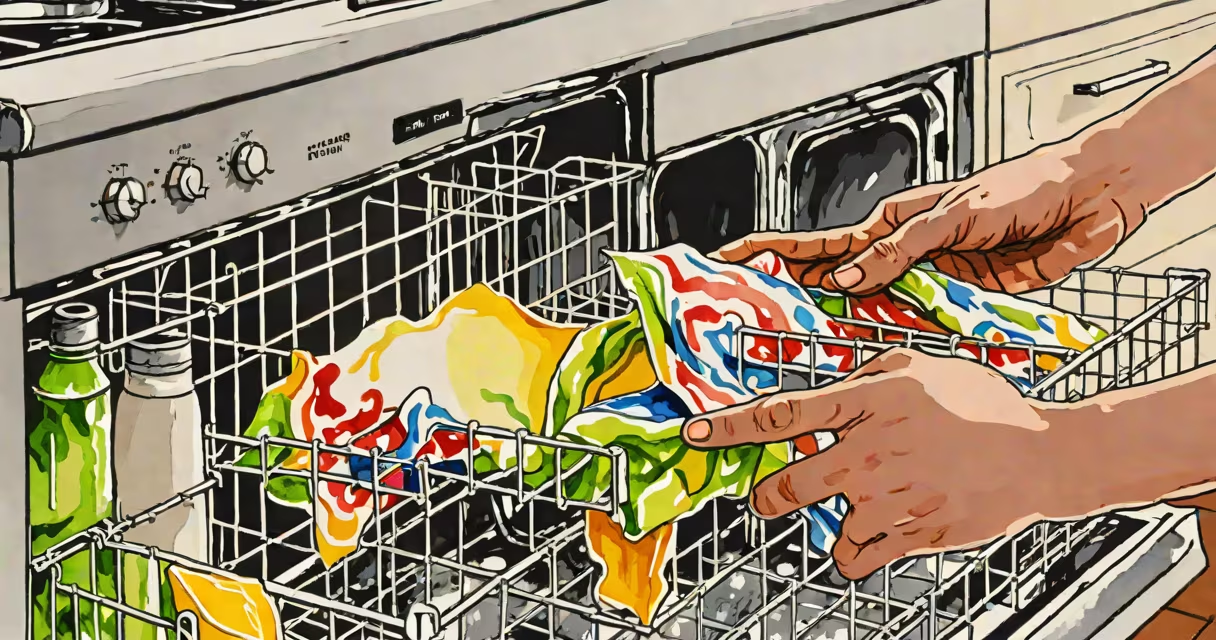
A clogged dishwasher fails to drain water after a cycle due to blocked drain lines, a dirty filter, or a faulty pump. Clearing the obstruction typically requires removing debris from the filter, inspecting the drain hose, or replacing the pump. Most clogs resolve in under 30 minutes with basic tools.
Dishwashers use a pump to force water through spray arms during wash cycles. After washing, the pump reverses direction to push water out through a drain hose connected to the sink's garbage disposal or air gap. A clog anywhere in this path stops drainage.
If the pump runs but no water exits, the issue is likely a blockage downstream. If the pump doesn't run at all, the problem may be electrical or mechanical. The most common failure point is the filter area near the bottom of the tub.
According to the Consumer Product Safety Commission (CPSC), over 60% of dishwasher malfunctions stem from clogged filters or drain lines. Regular cleaning prevents 80% of these issues.
Food particles, grease, and small utensils often lodge in the filter or drain hose. Hard water deposits can build up inside the pump impeller. A kinked or disconnected drain hose may prevent flow even if the system is clean.
Check for symptoms: standing water after a cycle, foul odors, or the dishwasher running longer than usual. If the machine fills but never drains, suspect a blockage. If it fails to fill, the issue may be with the water inlet valve.
Use a flashlight to peer into the lower rack area. Look for visible debris around the filter housing. A strong smell of rotting food indicates organic buildup. These signs confirm a physical obstruction.
Turn off power and water supply before starting. Pull the dishwasher out from under the counter if needed. Remove the lower rack and locate the filter at the base of the tub.
Twist the filter counterclockwise and lift it out. Rinse it under warm water, scrubbing with a soft brush. Check the rubber gasket for cracks. Reinstall the filter and ensure it clicks securely.
Inspect the drain hose for kinks or clogs. Disconnect the hose from the sink connection and flush it with hot water. Use a wire hanger or plumbing snake to clear stubborn debris. Reconnect the hose tightly.
Test the pump by manually turning the impeller. If it spins freely, the pump is functional. If resistance is felt or it doesn't turn, replace the pump assembly. Use a multimeter to test continuity if electrical failure is suspected.
Not all clogs behave the same. Some are temporary; others require part replacement. The table below outlines common blockages and their remedies.
| Type | Location | Remedy | Time Required |
|---|---|---|---|
| Debris trap | Filter housing | Remove and clean filter | 5-10 min |
| Grease buildup | Pump impeller | Scrub with brush or soak in vinegar solution | 15 min |
| Hose kink | Drain hose | Reposition hose; remove kinks | 5 min |
| Foreign object | Drain line or pump | Use a flexible snake or disassemble pump | 20-30 min |
For persistent clogs, consider installing a drain screen over the sink drain to catch large food pieces before they enter the dishwasher. This reduces future blockages by 70%, according to the Association of Home Appliance Manufacturers (AHAM).
Some assume a dishwasher isn't draining because of a broken motor. But pumps fail less frequently than filters or hoses. A clogged filter causes 85% of drainage failures, per a 2022 study by Appliance Repair Journal.
Another error: assuming the garbage disposal must be cleared. While a clogged disposal can affect drainage, the dishwasher usually has a separate air gap or check valve to prevent backflow. If the disposal is clogged, the dishwasher may still drain normally.
I once repaired a dishwasher that wouldn't drain. After cleaning the filter, the unit worked. The homeowner had assumed the pump was dead. Replacing the pump cost $120. Cleaning the filter took five minutes and saved money.
Replace the filter if the mesh is torn or the rubber seal is cracked. Use OEM parts or verified aftermarket replacements. For example, Whirlpool W10242447 fits select models and costs $18.99.
Replace the pump only if the impeller is damaged or the motor draws excessive current. Test with a multimeter: continuity should read 10-20 ohms. If resistance is infinite, the pump is faulty.
After replacing any part, run a rinse cycle with vinegar to dissolve mineral residue. This prevents new buildup and extends component life.
Clean the filter monthly. Scrape food scraps off dishes before loading. Avoid using detergent pods with high sudsing agents-they can foam and interfere with drainage.
Run a maintenance cycle every three months. Place a cup of white vinegar in the top rack and run a hot cycle. Vinegar dissolves limescale and deodorizes the interior.
For hard water areas, install a water softener. Mineral deposits reduce pump efficiency by up to 40% over time, according to the Water Quality Research Foundation.
After repairs, run a full cycle with no dishes. Confirm water drains completely within 10 minutes. If standing water remains, double-check the hose routing and connections.
When all else fails, contact a certified technician. Many manufacturers offer warranty coverage for pump or motor failures within 1-2 years of purchase.
Repairing a clogged dishwasher is straightforward. Most issues stem from simple blockages. With routine care, the machine lasts 10-15 years. Understanding how to repair a clogged dishwasher prevents costly service calls and keeps your kitchen running smoothly.