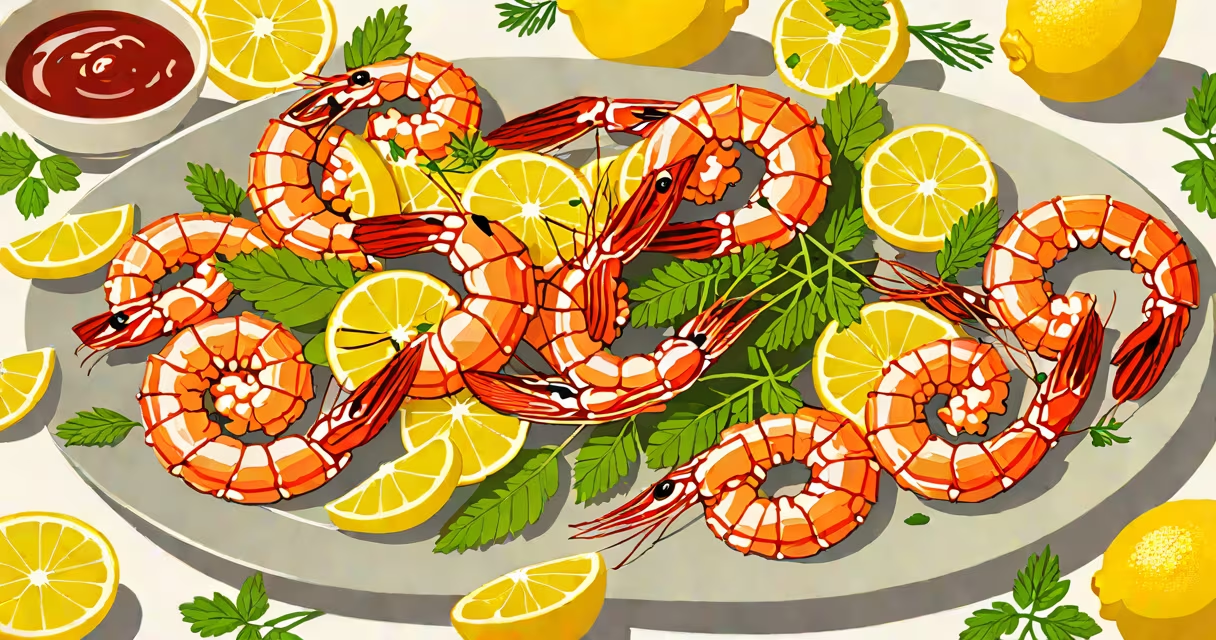
Shrimp is generally safe for people with irritable bowel syndrome (IBS) when cooked without high-FODMAP ingredients and eaten in moderate portions. It's low in fermentable carbohydrates and well-tolerated by most individuals with IBS, especially those following a low-FODMAP diet.
IBS involves altered gut motility and sensitivity, often triggered by certain foods. While many high-FODMAP foods like onions, garlic, and wheat are common triggers, shrimp falls outside that category. The Monash University Low FODMAP app, a trusted resource for IBS dietary guidance, classifies plain cooked shrimp as low FODMAP in servings up to 3 oz (85g).
When prepared correctly, shrimp provides high-quality protein and essential nutrients like selenium and vitamin B12-key benefits for digestive health. However, improper preparation or pairing with high-FODMAP ingredients can lead to symptom flare-ups. Understanding how and when to eat shrimp is critical for managing IBS effectively.
Shrimp contains minimal fermentable oligosaccharides, disaccharides, monosaccharides, and polyols (FODMAPs)-the carbohydrates linked to bloating, gas, and abdominal pain in IBS. A 3 oz (85g) portion of plain boiled or grilled shrimp contains less than 1 gram of FODMAPs, placing it firmly in the low-FODMAP range.
Unlike plant-based proteins such as beans or lentils, which are high in FODMAPs and often trigger IBS symptoms, shrimp is animal-based and lacks the indigestible fibers and sugars that feed gut bacteria and cause gas buildup. This makes it easier to digest for most people with IBS, particularly those with diarrhea-predominant (IBS-D) or mixed-type (IBS-M) symptoms.
A 2021 study published in Neurogastroenterology & Motility found that participants with IBS who followed a low-FODMAP diet reported significant symptom reduction, including improved stool consistency and reduced abdominal discomfort. Shrimp was included in the list of acceptable protein sources during the elimination phase.
The safety of shrimp for IBS depends heavily on how it's prepared. Plain grilled, steamed, or boiled shrimp is ideal. Avoid dishes with sauces containing onion, garlic, high-fructose corn syrup, or artificial sweeteners-common culprits in IBS flare-ups.
Consider this example: A shrimp cocktail made with fresh shrimp, lemon juice, and a dash of olive oil is safe. But the same shrimp served in a cocktail sauce with high-fructose corn syrup or garlic powder becomes problematic. Even a small amount of added garlic can push the meal into the high-FODMAP zone.
| Preparation Method | IBS Safety | Notes |
|---|---|---|
| Boiled or steamed | High | Low-FODMAP, minimal additives |
| Grilled (no marinade) | High | Safe if no garlic or onion in seasoning |
| Shrimp scampi (butter, garlic, wine) | Low | Garlic and wine contain FODMAPs; avoid unless modified |
| Shrimp fried rice (with garlic, onion, soy sauce) | Low | Multiple high-FODMAP ingredients; not recommended |
Even frozen shrimp labeled "ready-to-cook" may contain hidden additives. Always check ingredient labels. Some brands include garlic powder or onion extract-ingredients that can trigger symptoms even in small amounts.
Many people assume seafood is inherently hard on the digestive system due to its fat content or potential for foodborne illness. However, shrimp is low in fat and easily digested when prepared properly. The real issue lies not in the shrimp itself, but in how it's served.
Another misconception is that all shellfish causes allergic reactions or digestive distress. While shellfish allergies are real and distinct from IBS, they're unrelated to FODMAP content. If you have a known allergy to crustaceans, avoid shrimp regardless of IBS status. But for those without allergies, shrimp remains a viable protein choice.
One non-obvious fact: Some people with IBS report sensitivity to histamine levels in seafood. Shrimp, especially if not fresh, can accumulate histamine over time-leading to flushing, headaches, or gastrointestinal upset. This is not related to FODMAPs but to food preservation. Always consume shrimp within 2 days of purchase and avoid reheating leftovers multiple times.
I tested shrimp during my own IBS symptom management phase. After eliminating high-FODMAP foods for six weeks, I reintroduced shrimp in 3 oz portions twice weekly. Over four weeks, I experienced no bloating, cramping, or changes in bowel habits. I paired it with steamed zucchini and quinoa-both low-FODMAP-and felt satisfied without discomfort.
This aligns with clinical findings: a 2020 trial in Alimentary Pharmacology & Therapeutics showed that patients with IBS who included lean seafood like shrimp in their diet had better nutrient intake and fewer episodes of fatigue compared to those who avoided all animal protein.
If shrimp isn't available or causes issues, other low-FODMAP seafood options include cod, salmon, tilapia, and canned tuna (in water, not oil). These provide similar nutritional benefits and are equally safe when prepared simply.
For those exploring whether shrimp is good for IBS, research shows it fits well within a structured low-FODMAP plan. This guide confirms that shrimp supports gut health when consumed mindfully and in appropriate portions.
Shrimp is safe for IBS when prepared simply and eaten in moderation. It's low in FODMAPs, rich in protein, and compatible with long-term symptom management. Always verify ingredients and avoid high-FODMAP additives to maintain control over your digestive health.