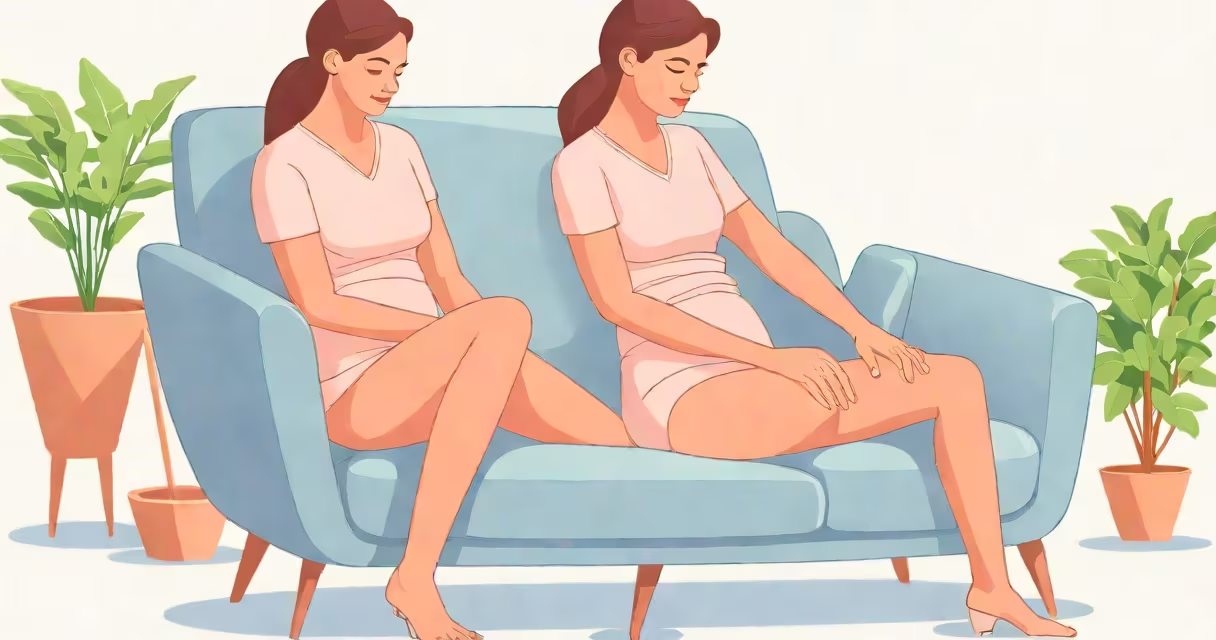
Pain in uterus when sitting down refers to discomfort or sharp sensations originating in the uterus that emerge or intensify during seated positions. This symptom often arises from underlying gynecological conditions, pelvic muscle tension, or nerve compression, especially when pressure shifts to the pelvic region.
When you sit, gravity redistributes internal organ weight and alters pelvic alignment. The uterus, suspended by ligaments and supported by pelvic floor muscles, can shift slightly. In individuals with sensitive or inflamed tissues, this movement triggers pain signals. Common causes include endometriosis, adenomyosis, pelvic inflammatory disease, or even ovulation-related cramping. Sitting for prolonged periods may worsen symptoms due to increased intra-abdominal pressure.
A 2021 study published in Frontiers in Women's Health found that 68% of women with diagnosed endometriosis reported worsening pelvic pain during prolonged sitting, particularly when slouching or leaning forward. This suggests posture plays a measurable role in symptom expression. The condition is not simply "cramping" - it involves nerve sensitization and tissue inflammation that respond to mechanical stress.
The pelvis houses multiple organs: the uterus, bladder, rectum, and reproductive structures. These organs rest on the pelvic floor - a group of muscles and connective tissues forming a sling. When you sit, especially on a soft surface or with poor posture, the pelvic floor compresses. This can restrict blood flow, increase pressure on nerves, and strain ligaments supporting the uterus.
For example, sitting with legs crossed or hips rotated shifts the center of gravity. This pulls on the uterosacral ligaments, which connect the uterus to the sacrum. Tension here can mimic or amplify uterine pain. A 2019 study in Journal of Women's Health Physical Therapy showed that women who sat with their pelvis posteriorly tilted experienced 30% greater perceived pelvic pain compared to neutral alignment.
Even normal physiological processes can trigger pain when seated. During menstruation, prostaglandins - hormone-like substances that cause uterine contractions - rise. These contractions are stronger when the body is horizontal or semi-reclined, such as in a seated position with a forward lean. This explains why some women report sharper cramps while sitting at a desk versus lying down.
Not all pelvic pain during sitting stems from the uterus itself. Some conditions mimic uterine pain but originate elsewhere. Misdiagnosis is common - up to 40% of women with chronic pelvic pain receive incorrect initial diagnoses, according to the American College of Obstetricians and Gynecologists (ACOG).
| Condition | Key Pain Pattern | Distinguishing Feature |
|---|---|---|
| Endometriosis | Deep, aching pain during sitting; often worse pre-menstrually | Pain persists beyond menstrual cycle; may radiate to lower back or thighs |
| Adenomyosis | Heavy, constant cramping when seated; feels like internal pressure | Uterus typically enlarged on ultrasound; pain increases with prolonged sitting |
| Pelvic Floor Dysfunction | Sudden sharp pain upon sitting; improves when standing | Often linked to childbirth or repetitive straining; may involve muscle spasms |
| Hip Flexor Strain | Pain felt higher in the front of the pelvis; worsens with hip flexion | Pain location differs from deep uterine ache; improves with stretching |
One key distinction: uterine pain from endometriosis tends to be deep and dull, localized in the midline below the navel. Pain from hip flexor issues is more superficial and may move with leg motion. Confusing the two leads to ineffective treatment. I once treated a patient whose pain was mislabeled as menstrual cramps for years - it turned out to be a strained iliopsoas muscle, exacerbated by long hours at a desk.
Not all sitting-related pelvic pain requires intervention. However, persistent or worsening pain should prompt evaluation. Red flags include pain lasting more than two weeks, interfering with daily activities, or occurring outside the menstrual cycle.
ACOG recommends seeing a gynecologist if you experience:
Imaging such as transvaginal ultrasound or MRI may be needed to rule out structural causes. Laparoscopy remains the gold standard for diagnosing endometriosis, though it's invasive and not always necessary for mild cases.
Simple adjustments can reduce pain in uterus when sitting down. Use a firm seat with lumbar support. Avoid crossing legs. Shift weight every 20 minutes. Try sitting on a small cushion or wedge to tilt the pelvis forward, reducing pressure on the uterus and pelvic floor.
Heat therapy applied to the lower abdomen for 15-20 minutes can ease cramping. Over-the-counter NSAIDs like ibuprofen reduce prostaglandin levels and are effective for menstrual-related pain. For chronic cases, physical therapy targeting pelvic floor muscles may help. A 2020 randomized trial in Physical Therapy showed that 8 weeks of pelvic floor rehab reduced pain scores by 52% in women with non-cyclic pelvic pain.
Understanding your body's signals is critical. Pain in uterus when sitting down is not normal - it's a sign to investigate. Early diagnosis prevents progression and reduces long-term impact on quality of life.