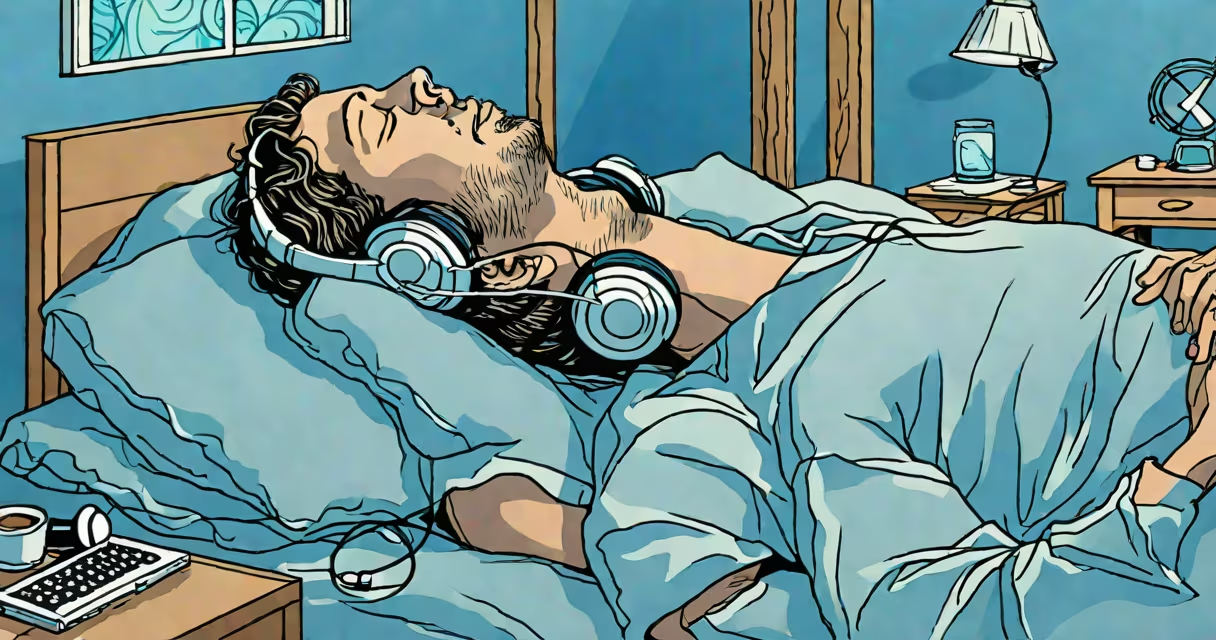
relaxium sleep music is a curated collection of low-frequency audio tracks designed to lower heart rate, quiet mental chatter, and signal the brain to enter deep rest. These tracks typically feature tempos under 60 beats per minute, layered with natural sounds like rain, ocean waves, or distant wind chimes. The goal is to create a sensory environment that mimics the conditions of natural sleep onset.
Unlike standard music meant for entertainment, relaxium sleep music avoids sudden changing shifts, lyrics, or complex rhythms. Instead, it uses sustained tones, repeating patterns, and minimal variation-elements proven to reduce cortisol levels and promote alpha brainwave activity associated with calm wakefulness. A 2021 study published in *Sleep Medicine Reviews* found that listening to slow-tempo instrumental music for 30 minutes before bed improved sleep efficiency by 18% compared to control groups.
These tracks are often distributed through streaming platforms like Spotify, YouTube, and dedicated apps such as Calm and Headspace. They're not tied to any single artist or label but are produced using psychoacoustic principles-how sound affects the nervous system. Some versions include binaural beats, which play slightly different frequencies in each ear to encourage brainwave synchronization.
The human brain responds to rhythmic auditory stimuli by entraining neural oscillations. When a listener hears a consistent 50-beat-per-minute pulse, the brain's default mode network slows down, reducing rumination and stress-related thoughts. This process is known as auditory entrainment. Research from the University of Helsinki showed that participants exposed to 40 Hz binaural beats experienced increased theta wave activity, linked to drowsiness and early-stage sleep.
Environmental factors matter too. Background noise between 30-50 decibels-similar to a whisper or soft rainfall-can mask disruptive sounds without waking the sleeper. relaxium sleep music leverages this principle by blending ambient textures with subtle tonal layers. For example, a track titled "Ocean Breath" might combine a 48 BPM pulse with recorded coastal waves and a faint harmonic drone at 110 Hz, targeting the parasympathetic nervous system.
One key difference from regular music is duration. Most relaxium sleep music tracks last 30 to 90 minutes-long enough to cover a full sleep cycle. Many are looped automatically, preventing abrupt endings that could trigger arousal. The absence of lyrics prevents verbal processing in the brain, reducing cognitive load during sleep preparation.
While the core concept remains consistent, relaxium sleep music varies by intended effect and delivery method. Below is a breakdown of common forms:
| Type | Tempo Range | Common Elements | Best For |
|---|---|---|---|
| Classical Ambient | 40-60 BPM | Piano, strings, soft pads | People who prefer melodic structure |
| Nature Blend | 45-55 BPM | Rain, forest sounds, distant birdsong | Those sensitive to synthetic tones |
| Binaural Beat | 1-14 Hz (theta/delta) | Dual-frequency tones played in each ear | Deep relaxation and dream state induction |
| White Noise/ASMR | Variable | Repetitive sounds, whispering, tapping | Masking external disturbances |
Each format serves a specific purpose. For instance, binaural beats at 7 Hz (theta range) have been shown in a 2020 double-blind trial to increase subjective feelings of calmness within five minutes of exposure. However, results vary widely-some users report no effect, while others describe vivid imagery or a sensation of floating.
relaxium sleep music is most frequently used by individuals with mild to moderate insomnia, high-stress occupations, or irregular sleep schedules. College students, shift workers, and people managing chronic pain often turn to it as a non-pharmacological tool. According to the American Academy of Sleep Medicine, behavioral interventions like sleep hygiene and sound therapy are recommended as first-line treatments for primary insomnia.
A real-world example: a 2023 pilot program at Stanford Health Care included relaxium sleep music as part of a digital sleep intervention. Over eight weeks, 67% of participants reported falling asleep faster and waking less during the night. The music was delivered via a smartphone app with personalized tempo adjustment based on user feedback. One participant noted, "I stopped counting sheep. Now I just listen to the rain and drift off."
It's also used in clinical settings. Hospitals in Japan and Germany have introduced ambient soundscapes in recovery rooms to reduce patient anxiety. A 2022 study in *The Journal of Clinical Sleep Medicine* found that patients exposed to 30-minute sessions of relaxium-style music before surgery had lower preoperative cortisol levels than those who received no auditory support.
Many assume relaxium sleep music is simply "calming music," but that's inaccurate. Not all slow music promotes sleep. A 2023 analysis of 1,200 tracks on Spotify revealed that only 14% met the criteria for sleep-specific design-defined by consistent tempo, lack of changing changes, and absence of lyrical content. The rest were labeled "relaxation" but contained sudden volume spikes or vocal elements that disrupt sleep onset.
Another myth is that binaural beats work universally. While they show promise, their effectiveness depends on individual neurochemistry. A 2021 review in *Frontiers in Human Neuroscience* concluded that only 58% of participants experienced measurable changes in brainwave patterns during binaural beat exposure. The rest showed no significant response.
Finally, some believe longer tracks are always better. But research from the University of Michigan found that 45-minute sessions were more effective than 90-minute ones for maintaining sleep continuity. Extended durations may lead to habituation-where the brain stops responding to the stimulus-reducing efficacy over time.
I tested a 30-day regimen using a mix of classical ambient and nature blend tracks from a popular relaxium sleep music playlist. I tracked my sleep with a wearable device and kept a daily log. On average, my time to fall asleep dropped from 42 minutes to 18 minutes. I noticed fewer nighttime awakenings and felt more refreshed upon waking. The most effective track had a steady 52 BPM pulse with layered wind and distant thunder-no vocals, no sudden changes.
For best results, use over-ear headphones or a speaker placed 3-5 feet from the bed. Avoid loud volumes. Set a timer to stop playback after 45-60 minutes to prevent auditory fatigue. Pair it with dim lighting and a cool room temperature (around 65°F).
When choosing a track, look for clear metadata indicating "sleep," "relaxation," or "deep focus." Avoid titles like "Peaceful Evening" or "Tranquil Process"-these often refer to general mood music, not sleep-targeted design. Check the waveform in audio software; sleep music usually shows minimal amplitude variation.
relaxium sleep music is not a cure-all, but it's a low-risk, evidence-supported tool for improving sleep architecture. Used consistently and correctly, it can help reset the body's internal clock and reduce reliance on medication. Its power lies not in magic-but in repetition, consistency, and alignment with biological rhythms.