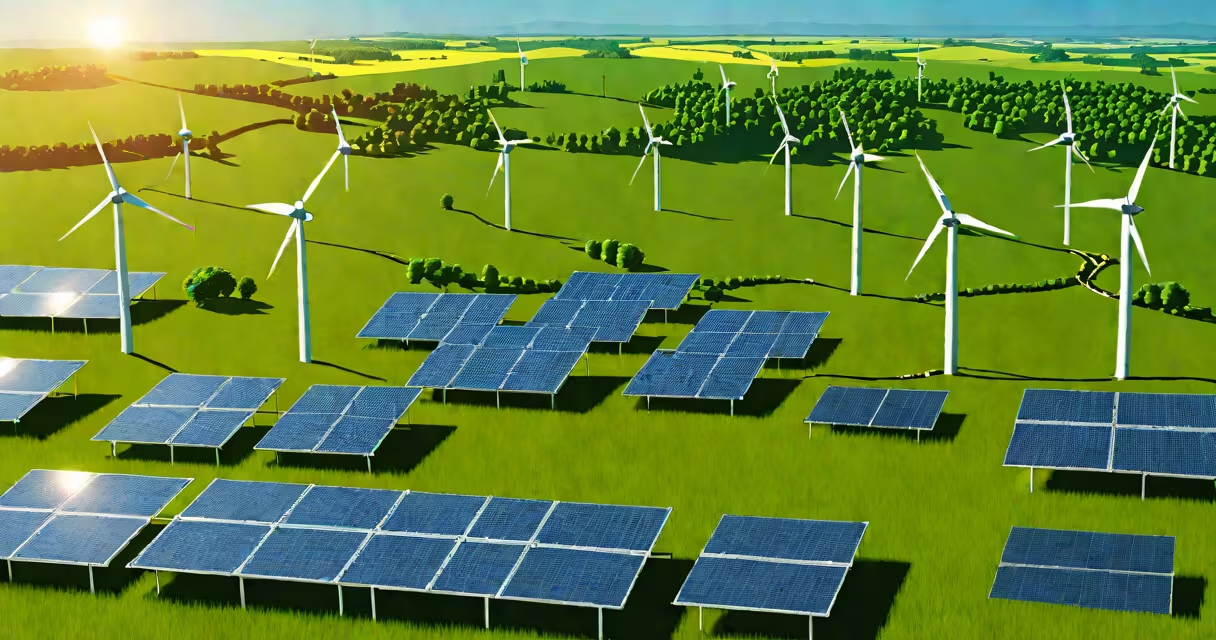
Alternative resources are energy sources or materials that substitute for conventional, often finite or environmentally damaging inputs like coal, oil, and natural gas. They are designed to reduce ecological harm, lower greenhouse gas emissions, and support long-term sustainability. These include solar power, wind energy, geothermal heat, biofuels, and recycled materials.
These resources differ from fossil fuels in origin and renewability. While fossil fuels form over millions of years and release carbon dioxide when burned, alternative resources either regenerate quickly or produce little to no net emissions during operation. The shift toward them is central to climate action plans and national energy strategies worldwide.
According to the International Energy Agency (IEA), renewable energy accounted for 30% of global electricity generation in 2023, up from 26% in 2020. This growth reflects increasing deployment of alternative resources in both developed and developing nations.
Most alternative resources generate usable energy through direct conversion of natural flows. Solar panels convert sunlight into electricity via photovoltaic cells. Wind turbines capture kinetic energy from air movement and turn it into rotational motion to drive generators. Geothermal systems draw heat from beneath Earth's surface to power heating systems or generate steam for electricity.
Biomass resources rely on organic matter-such as wood waste, crop residues, or dedicated energy crops-to produce heat or fuel. When burned or processed into biogas, they release stored solar energy captured during plant growth. Unlike fossil fuels, biomass cycles carbon within a short timeframe, making it carbon-neutral over time if managed sustainably.
A key difference from fossil-based systems is scalability and intermittency. Solar and wind depend on weather patterns and time of day. Grid operators address this using battery storage, demand response, and diversified regional supply. For example, Germany's Energiewende policy integrates variable renewables with smart grids and backup thermal plants to maintain reliability.
The following table outlines major categories of alternative resources, their primary applications, and real-world examples.
| Type | Primary Source | Common Use | Real-World Example |
|---|---|---|---|
| Solar | Direct sunlight | Electricity, water heating | California's Desert Sunlight Solar Farm (550 MW capacity) |
| Wind | Atmospheric air movement | Grid-scale electricity | Offshore Hornsea Project in UK (1.2 GW, operational since 2020) |
| Geothermal | Subsurface heat | Heating, electricity | Iceland's Reykjavík district heating system (90% geothermal) |
| Biomass | Plant and animal waste | Heat, biofuels | Sweden's use of forest residue for district heating (over 40% of heat supply) |
| Hydropower | Flowing water | Electricity | Three Gorges Dam in China (22.5 GW, largest hydroelectric facility) |
Each type has distinct advantages and limitations. Hydropower offers high output and dispatchability but can disrupt ecosystems and displace communities. Biomass reduces reliance on oil but requires careful land-use planning to avoid deforestation.
Nations adopt alternative resources to meet climate commitments, improve energy security, and stimulate green jobs. The European Union's Green Deal aims for climate neutrality by 2050, requiring a 55% reduction in emissions by 2030. Renewable energy is central to achieving this, with wind and solar projected to supply 60% of EU electricity by 2030.
In developing regions, alternative resources provide access to electricity where grid extension is impractical. In sub-Saharan Africa, off-grid solar systems now serve over 100 million people. A 2022 World Bank report found that mini-grids powered by solar and batteries reduced household energy costs by 40% compared to kerosene lamps.
Industrial users also integrate alternative resources. Google's data centers run on 100% renewable electricity since 2017. The company achieved this through long-term power purchase agreements with wind and solar farms in Texas, Oklahoma, and Sweden.
One widespread error is equating "alternative" with "renewable." Not all alternative resources are renewable. Some synthetic fuels derived from hydrogen and captured CO₂-called e-fuels-are considered alternatives because they replace gasoline, even though their production may rely on fossil-derived electricity.
Another misconception is that alternative resources are universally cheaper. While solar and wind have seen dramatic cost declines-down 89% and 70% respectively since 2010 (IRENA, 2023)-their integration into existing infrastructure incurs additional expenses. Grid upgrades, energy storage, and transmission lines represent significant capital outlays.
There's also confusion about land use. Large-scale solar farms require space, but many projects coexist with agriculture. Dual-use systems, such as agrivoltaics, allow crops to grow under solar panels. A study from the University of Arizona found that certain crops yield 15% higher returns under solar canopies due to reduced evaporation.
In 2021, I helped install a solar-powered irrigation system on a small farm in rural Nebraska. The system replaced diesel pumps that previously consumed 1,200 gallons of fuel annually. After installation, the farmer reported a 60% drop in operating costs and consistent water delivery during dry periods. The system included a 4-kW range, a 12-kWh battery bank, and a variable-speed pump controlled by a microcontroller.
This project demonstrated how alternative resources can deliver tangible benefits even in low-income settings. It also highlighted the importance of site-specific design-shading from trees, seasonal sun angles, and soil moisture levels all affected performance.
Traditional resources-coal, oil, natural gas-derive from ancient organic matter buried underground. Their extraction and combustion release carbon stored over millennia, contributing to atmospheric CO₂ accumulation. In contrast, alternative resources either emit little or no carbon during operation and are replenished on human timescales.
For example, burning one ton of coal releases approximately 2.86 metric tons of CO₂. In comparison, generating the same amount of electricity from utility-scale solar emits around 0.04 tons of CO₂ per megawatt-hour-mostly from manufacturing and maintenance.
Despite these differences, the transition is not instantaneous. Fossil fuel infrastructure remains dominant in many countries. The U.S. still generates 58% of its electricity from fossil fuels (U.S. Energy Information Administration, 2023). However, the share of alternatives is rising rapidly, especially in states like California and Texas.
Alternative resources are essential tools for reducing dependence on fossil fuels and mitigating climate change. They encompass solar, wind, geothermal, biomass, and hydropower-all offering pathways to cleaner, more resilient energy systems. Understanding their mechanics, limitations, and real-world impacts enables better decisions in homes, industries, and public policy.