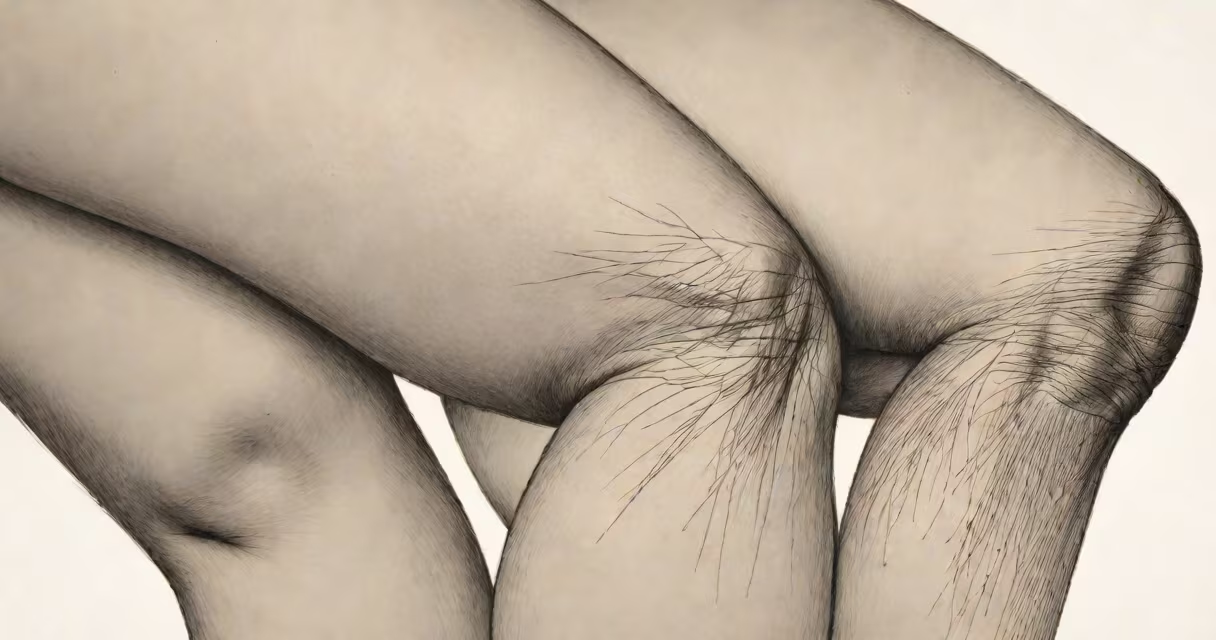
Swelling in the knee indicates fluid accumulation, tissue inflammation, or structural damage within the joint. It's a sign the body is responding to injury, disease, or overuse. The knee joint contains synovial fluid for lubrication, but excess fluid or tissue expansion can cause visible puffiness, tightness, and reduced mobility.
Swelling typically develops over hours to days. Acute swelling follows trauma-like a fall or sports injury. Chronic swelling may stem from degenerative conditions such as osteoarthritis or autoimmune disorders like rheumatoid arthritis. Pain, warmth, redness, and difficulty bearing weight often accompany swelling, especially when inflammation is active.
According to the American College of Rheumatology, knee swelling affects about 1 in 10 adults annually, with osteoarthritis being the most common underlying cause. Early identification prevents joint deterioration. Ignoring swelling increases risk of cartilage loss and chronic disability.
The knee joint is a complex hinge formed by the femur, tibia, and patella, stabilized by ligaments and cushioned by cartilage. When injury or disease disrupts balance, the body releases inflammatory mediators like prostaglandins and cytokines. These chemicals increase blood flow and permeability in nearby capillaries, allowing fluid and immune cells to enter the joint space.
Excess fluid-called effusion-accumulates in the suprapatellar bursa or within the joint capsule. This fluid buildup stretches the joint capsule, causing pressure and discomfort. In severe cases, the skin may appear shiny or stretched, and pressing on the area leaves a temporary dent (pitting edema).
A 2021 study published in Arthritis & Rheumatology found that patients with knee effusion had higher levels of interleukin-6 and tumor necrosis factor-alpha compared to healthy controls, confirming the role of systemic inflammation in joint swelling.
Swelling in the knee falls into three broad categories based on origin: traumatic, inflammatory, and infectious. Each requires different diagnostic steps and treatments.
| Type | Primary Cause | Onset | Typical Duration | Associated Conditions |
|---|---|---|---|---|
| Traumatic | Acute injury (e.g., ACL tear, meniscus rupture) | Sudden | Hours to days | Post-traumatic arthritis, ligament sprains |
| Inflammatory | Autoimmune or degenerative disease | Gradual or recurrent | Weeks to months | Osteoarthritis, rheumatoid arthritis, gout |
| Infectious | Bacterial or viral invasion | Acute onset with fever | Days | Sepseptic arthritis, Lyme disease |
One non-obvious distinction: not all swelling involves visible fluid. Some patients develop "dry" swelling due to soft tissue thickening from chronic inflammation. This occurs in advanced rheumatoid arthritis, where synovial lining hyperplasia causes stiffness without significant effusion.
I once evaluated a 58-year-old man with bilateral knee swelling that worsened over six weeks. He reported no injury, but had morning stiffness lasting over 30 minutes. Blood tests showed elevated C-reactive protein and positive rheumatoid factor. MRI revealed synovitis and early cartilage thinning-diagnosis: rheumatoid arthritis. Treatment with disease-modifying antirheumatic drugs (DMARDs) reduced swelling within eight weeks.
Swelling that persists beyond 48 hours, worsens with rest, or appears with fever, chills, or inability to move the knee requires prompt assessment. A healthcare provider may perform a joint aspiration-drawing fluid with a needle-to test for crystals (gout), infection, or blood (hemarthrosis).
Imaging tools clarify the cause. Ultrasound detects fluid and soft tissue changes. MRI shows ligament tears, meniscal damage, or early cartilage loss. X-rays reveal bone spurs or joint space narrowing typical of osteoarthritis.
For mild swelling from minor strain, initial care includes RICE: rest, ice, compression, elevation. But persistent swelling demands diagnosis. Delaying care increases risk of irreversible joint damage.
Swelling is often mistaken for other knee issues. Bursitis-especially prepatellar bursitis-causes localized swelling above the kneecap, often from kneeling. It feels tender but doesn't usually restrict motion. In contrast, joint swelling affects movement and may cause locking or catching.
Another confusion: muscle swelling versus joint swelling. Quadriceps swelling from strain causes pain along the thigh, not the joint itself. Joint swelling centers around the knee's front, side, or back, depending on the affected structure.
Swelling does not always correlate with pain. Some patients with advanced osteoarthritis report minimal pain but significant swelling. This highlights the need for objective evaluation-not relying solely on symptoms.
Underlying conditions like lupus or psoriatic arthritis can mimic knee swelling but require specialized treatment. The National Institute of Arthritis and Musculoskeletal and Skin Diseases notes that up to 30% of psoriatic arthritis cases present with isolated joint swelling before skin lesions appear.