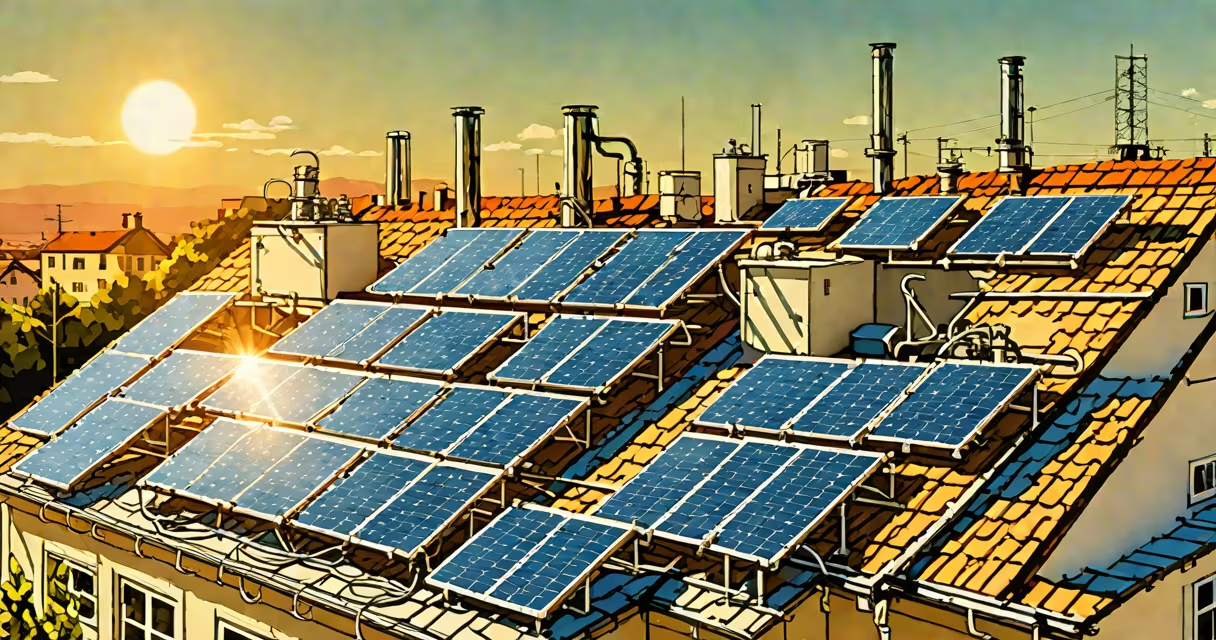
Active solar energy uses mechanical systems-like pumps and fans-to capture sunlight and convert it into usable heat or electricity. These systems require external power to operate, unlike passive solar designs that rely on building orientation and materials.
Unlike passive solar, which absorbs sunlight through windows and thermal mass, active solar systems actively move energy. They typically use solar collectors-panels or tubes-that absorb sunlight and transfer heat to a fluid (like water or antifreeze). This heated fluid then circulates through a home's heating system or powers a generator.
Active solar energy is used in residential heating, commercial water heating, and large-scale power plants. It's distinct from photovoltaic systems, which generate electricity directly from sunlight using semiconductor materials. While both fall under solar energy, active solar focuses on thermal collection and distribution.
Active solar systems depend on components that move energy from collector to storage or usage point. The process begins when sunlight strikes a solar collector, usually mounted on a roof or ground range. These collectors contain dark-colored absorber plates that convert solar radiation into heat.
A heat-transfer fluid-often water, glycol, or air-flows through tubes attached to the absorber plate. As the fluid heats up, a pump moves it through a heat exchanger. In a domestic hot water system, this transfers heat to a storage tank. In space heating, the fluid flows through radiant floor loops or baseboard heaters.
For electricity generation, active solar thermal systems concentrate sunlight using mirrors or lenses to heat a fluid to high temperatures. That fluid produces steam, which drives a turbine connected to a generator. The U.S. Department of Energy notes that concentrated solar power (CSP) plants like Nevada's Ivanpah facility use this method to produce megawatts of electricity during daylight hours.
There are two primary categories: liquid-based and air-based systems. Each serves different climates and applications.
| Type | Fluid Used | Best For | Efficiency Range |
|---|---|---|---|
| Liquid-based (closed-loop) | Water or glycol mix | Residential heating, domestic hot water | 60-75% |
| Air-based (direct gain) | Room air | Low-temperature space heating, greenhouses | 40-55% |
| Concentrated solar power (CSP) | Thermal oil or molten salt | Utility-scale electricity generation | 20-35% (with storage) |
Closed-loop systems prevent freezing and corrosion by using antifreeze. Open-loop systems use potable water but risk damage in cold climates. Air-based systems are simpler and cheaper but less efficient due to air's low heat capacity.
CSP plants differ. They use parabolic troughs or heliostats to focus sunlight onto a central receiver. Molten salt can store heat for up to 15 hours, allowing electricity production after sunset. The National Renewable Energy Laboratory (NREL) reports that CSP with thermal storage can provide grid stability during peak demand periods.
Many assume active solar energy is only for electricity. But most systems generate heat, not power. A typical residential solar thermal system provides 70% of a household's hot water needs annually, reducing reliance on gas or electric water heaters.
Another mistake is equating active solar with photovoltaics. While both use sunlight, photovoltaic panels convert light directly into electricity via the photovoltaic effect. Active solar systems use sunlight to heat a fluid, which then transfers energy. The two can coexist-many homes install both for maximum efficiency.
A lesser-known fact: active solar systems often outperform photovoltaics in winter months. When daylight is shorter and skies are overcast, solar thermal collectors maintain higher efficiency because they're designed to absorb diffuse sunlight better than PV cells. According to the International Energy Agency, solar thermal systems in northern Europe achieve 40% annual performance even in low-light conditions.
Consider a single-family home in Boulder, Colorado, with a 24-square-meter liquid-based active solar system. The collector range faces south with a 30-degree tilt. A 1,000-liter insulated storage tank holds heated water.
During winter, the system delivers 500 kWh of thermal energy per month. A pump runs on a timer, cycling fluid between the collector and tank. When the tank reaches 60°C, the pump stops. On sunny days, the system meets 85% of the household's hot water demand. On cloudy days, a backup electric heater activates automatically.
Over a year, this setup reduces natural gas consumption by 1.2 million BTUs. The homeowner saved $420 annually on utility bills. Maintenance includes checking fluid levels and cleaning collectors twice yearly-tasks that take less than 30 minutes per visit.
Active solar energy reduces dependence on fossil fuels. The U.S. Environmental Protection Agency estimates that replacing a gas water heater with a solar thermal system cuts CO₂ emissions by 1.1 tons per year per household. At scale, this contributes meaningfully to climate goals.
While upfront costs are higher than passive systems, long-term savings are significant. A 2023 study by the National Renewable Energy Laboratory found that active solar thermal systems pay back in 7 to 10 years through reduced energy bills. In states with solar incentives, payback drops to 5 years.
When evaluating cost, remember that active solar systems have lower lifetime operating expenses than conventional alternatives. Initial investment varies by region and system size, but ongoing savings offset the difference.
Active solar energy is not a futuristic concept-it's a working technology deployed today in homes, schools, and industrial facilities. Its effectiveness lies in predictable performance, scalability, and integration with existing heating and power networks.