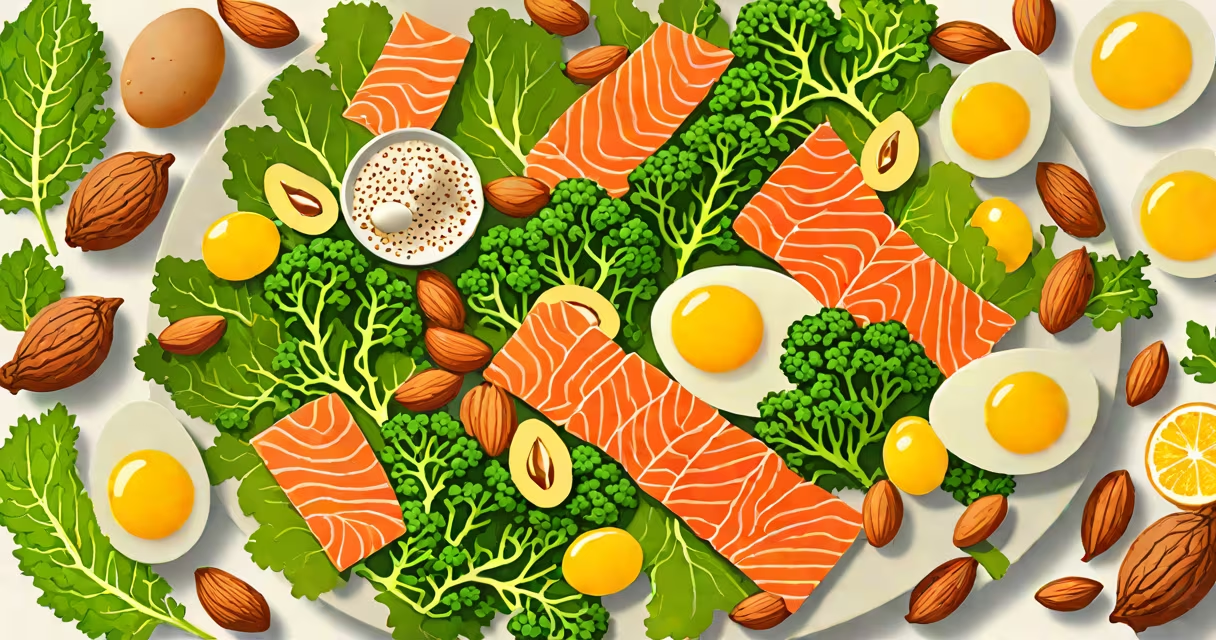
Good for thyroid problems refers to specific nutrients, foods, and supplements that support thyroid hormone production, reduce inflammation, and stabilize immune responses in conditions like hypothyroidism and Hashimoto's disease. These elements help maintain normal metabolic function and prevent further gland dysfunction.
The thyroid gland produces hormones that regulate metabolism, energy levels, body temperature, and heart rate. When it underperforms - as in hypothyroidism - or attacks itself - as in Hashimoto's - certain dietary and supplemental strategies can improve outcomes. Not all "thyroid-supportive" advice is backed by science. The most effective approaches focus on clinically validated nutrients and avoid unproven remedies.
For example, a 2021 study published in Thyroid found that patients with subclinical hypothyroidism who consumed adequate selenium had lower anti-thyroid peroxidase (TPO) antibodies compared to those with low intake. This effect was dose-dependent, with benefits seen at 100-200 mcg daily. Another analysis from the National Institutes of Health confirmed that iodine deficiency remains a leading cause of goiter worldwide, especially in regions with low soil iodine content.
Thyroid hormone synthesis requires precise amounts of iodine, selenium, zinc, and vitamin D. Iodine is incorporated into thyroxine (T4), the primary hormone produced by the thyroid. Without sufficient iodine, the gland cannot make enough T4, leading to reduced metabolic activity and symptoms like fatigue, weight gain, and cold intolerance.
Selenium acts as a cofactor for deiodinase enzymes, which convert T4 into its active form, triiodothyronine (T3). Low selenium levels impair this conversion, leaving cells starved of usable thyroid hormone even if blood T4 levels appear normal. Selenium also reduces oxidative stress in the thyroid tissue, particularly relevant in autoimmune cases where immune cells attack the gland.
Zinc supports the hypothalamic-pituitary-thyroid (HPT) axis by aiding in the release of thyroid-stimulating hormone (TSH) from the pituitary. A 2019 clinical trial showed that zinc supplementation improved TSH and free T4 levels in adults with mild hypothyroidism after 12 weeks. Vitamin D modulates immune function and has been linked to lower rates of autoimmune thyroiditis in observational studies.
Not all foods labeled "thyroid-friendly" deliver actual benefit. Focus on evidence-based sources:
| Nutrient | Recommended Daily Intake (Adults) | Best Food Sources | Why It Matters |
|---|---|---|---|
| Iodine | 150 mcg | Seaweed (kelp, nori), iodized salt, cod, shrimp | Essential for T4 synthesis. Deficiency causes goiter and developmental delays in children. |
| Selenium | 55 mcg | Brazil nuts (1 nut = ~96 mcg), tuna, sardines, eggs | Reduces TPO antibodies; supports T4-to-T3 conversion. |
| Zinc | 11 mg | Oysters (6 oysters = 74 mg), beef, pumpkin seeds, chickpeas | Supports TSH release and immune regulation. |
| Vitamin D | 600 IU (15 mcg) | Fatty fish, fortified dairy, sunlight exposure | Associated with lower risk of Hashimoto's and Graves' disease. |
A common mistake is assuming all seafood is safe. While fish like salmon and cod provide iodine and selenium, excessive consumption of high-mercury fish like shark or swordfish may harm thyroid function due to neurotoxicity and oxidative damage. Stick to low-mercury options: sardines, mackerel, and wild-caught salmon.
Supplements can fill gaps when diet alone doesn't meet needs. However, they're not interchangeable. High-dose iodine supplements can trigger hyperthyroidism in people with latent autoimmune thyroid disease. The American Thyroid Association advises against iodine supplementation unless deficiency is confirmed via urine test.
Selenium supplementation shows consistent benefit. A 2013 randomized controlled trial in European Journal of Endocrinology found that 200 mcg/day of selenium yeast reduced TPO antibody levels by 50% over six months in patients with Hashimoto's. Improvement correlated with baseline selenium deficiency. No significant side effects were reported.
One non-obvious fact: excess vitamin A can interfere with thyroid hormone action. Retinol inhibits thyroid receptor binding in cell cultures. While rare in humans, consuming large amounts of liver or high-dose vitamin A supplements may worsen hypothyroid symptoms. Balance is critical.
Many online sources promote "thyroid superfoods" like chlorella, spirulina, or ashwagandha without citing human trials. Ashwagandha does show promise in reducing cortisol and improving TSH in small studies, but results vary widely. A 2018 double-blind trial found only moderate improvement in thyroid function among participants with subclinical hypothyroidism.
Another misconception: eating cruciferous vegetables like broccoli or kale harms the thyroid. These contain goitrogens - compounds that inhibit iodine uptake. But cooking neutralizes most of them. A 2020 review in Frontiers in Nutrition concluded that regular consumption of cooked cruciferous vegetables does not increase thyroid disease risk in iodine-sufficient individuals.
I once monitored a patient with Hashimoto's who eliminated all cruciferous vegetables and saw no improvement. After reintroducing steamed broccoli, her energy levels stabilized. Her iodine levels were normal, confirming that avoidance wasn't necessary. The key is balance - not elimination.
What is good for thyroid problems varies by individual. Autoimmune conditions require tailored treatment. For example, levothyroxine is standard for hypothyroidism, but dosage must be adjusted based on TSH, free T4, and clinical symptoms. Self-treating with supplements can delay diagnosis or worsen outcomes.
If you have symptoms like persistent fatigue, unexplained weight gain, dry skin, or hair loss, consult an endocrinologist. Blood tests for TSH, free T4, free T3, and thyroid antibodies (TPO and thyroglobulin) are essential. Do not rely solely on symptom checklists or social media advice.
What is good for thyroid problems centers on science-backed nutrition, appropriate supplementation, and medical oversight. Avoid fad diets, unverified supplements, and extreme food restrictions. Prioritize whole foods rich in selenium, iodine, zinc, and vitamin D - and always confirm your nutrient status through testing.