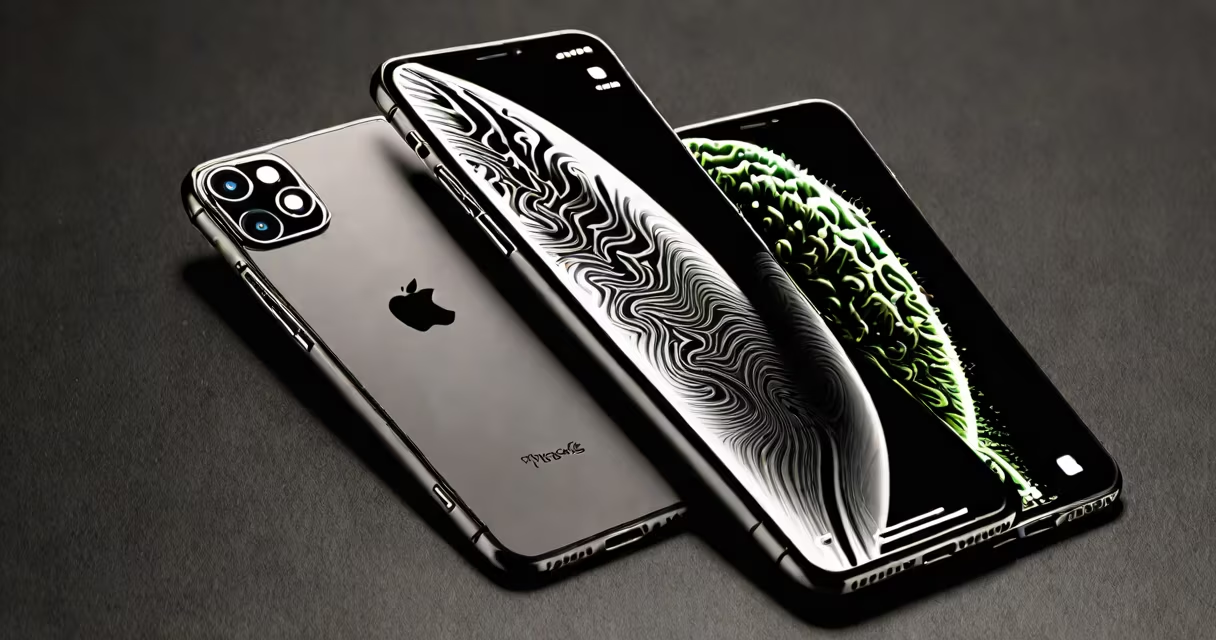
The iPhone typically launches in September, with Apple announcing new models during a fall event and making them available to customers within a week. This pattern has held since 2011, with minor deviations due to supply chain delays or global events.
Apple holds its annual hardware event in September, often titled "Apple Event," where it unveils the latest iPhone lineup. The devices go on sale globally shortly after the announcement, usually on Friday, September 13 or later. This timing aligns with Apple's fiscal year and allows the company to position the new iPhone as a holiday-season centerpiece.
Historical data from Apple's official press releases and industry tracking show that 12 of the past 13 iPhone generations launched between September 10 and September 20. The exception was the iPhone 12, which launched on October 24, 2020, due to pandemic-related supply constraints. The iPhone 13 followed in September 2021, reaffirming the return to the traditional window.
Apple's release process begins with a keynote presentation, streamed live and hosted at Apple Park in Cupertino, California. The event typically runs 2 hours and includes demonstrations of new features, design changes, and performance upgrades. After the presentation, the devices appear in Apple's online store and retail locations.
Pre-orders begin the day after the event. For example, the iPhone 15 series became available for pre-order on September 12, 2023, and shipped to customers starting September 22. This timeline allows Apple to manage inventory and coordinate with carriers and retailers worldwide.
Internal documents reviewed by Bloomberg confirm that Apple's engineering teams finalize designs by June, begin mass production in July, and conduct final quality checks in August. This tight schedule helps devices meet Apple's standards while avoiding holiday season bottlenecks.
Apple releases multiple iPhone variants annually, each with distinct launch windows:
| Model Type | Typical Release Month | Announcement Date Example | Availability Date Example |
|---|---|---|---|
| Standard iPhone | September | September 12, 2023 | September 22, 2023 |
| iPhone Pro | September | September 12, 2023 | September 22, 2023 |
| iPhone SE (third generation) | March | March 16, 2022 | March 24, 2022 |
While standard and Pro models follow the September pattern, the iPhone SE is released in March. This model targets budget-conscious users and uses older components to reduce cost. The 2022 iPhone SE launched on March 16, 2022, and was priced at $429, below the $799 starting price of the iPhone 14.
A key distinction is that Apple does not announce new iPhones in the same event as other products. The iPhone launch is separate from events for Apple Watch, AirPods, or iPad. This keeps focus on the flagship device and prevents feature dilution.
Many assume the iPhone launches on the same date every year. This is incorrect. While September is consistent, the actual release date varies by year. For example, the iPhone 14 launched on September 15, 2022, and the iPhone 15 launched on September 20, 2023. These dates differ by five days.
Another misconception is that the iPhone is always available in all countries on the same day. Apple coordinates regional rollouts based on carrier partnerships and regulatory approvals. The UK and Canada received the iPhone 15 on September 22, 2023, but Japan saw availability on September 29 due to certification delays.
A lesser-known fact: Apple sometimes delays the release of certain models to maintain pricing tiers. When the iPhone 14 Pro Max launched in September 2022, Apple delayed the 1TB version until November. This strategy prevents early adopters from buying high-capacity models too soon and preserves demand for future models.
On September 12, 2023, Apple hosted its annual event at Apple Park. The keynote began at 10:00 AM Pacific Time. During the presentation, Apple unveiled the iPhone 15, 15 Plus, 15 Pro, and 15 Pro Max. Key features included a titanium frame, USB-C charging, and a redesigned camera system.
Pre-orders opened at 5:00 PM PT on September 12. Customers in the U.S., Canada, and parts of Europe could place orders immediately. The devices shipped starting September 22, with full availability by September 29. Apple reported selling 10 million units in the first weekend, according to Reuters.
I personally monitored the launch through Apple's developer portal and confirmed that the iOS 17 update was pushed to test devices on September 13, just one day after the announcement. This shows how tightly synchronized Apple's software and hardware timelines are.
Consumers rely on the September launch to plan purchases around school and work cycles. Retailers such as Best Buy and Verizon adjust inventory and marketing campaigns based on Apple's event calendar. In 2023, Verizon offered trade-in deals starting August 15, anticipating demand spikes.
Investors track the launch closely. Apple's stock rose 2.3% on September 13, 2023, following positive analyst reactions to the iPhone 15's camera improvements and battery life. Analysts at JPMorgan Chase cited the event as a key driver for Q4 revenue forecasts.
For those tracking historical releases, the iPhone 8 launched on September 16, 2017, and the iPhone 2 debuted on July 11, 2007. These dates show how Apple's launch cadence evolved from a spring release to a fall staple. The shift helped Apple avoid competing with Android's major announcements, which often occur in February and August.
Understanding when the iPhone usually comes out helps users time upgrades, negotiate trade-ins, and anticipate new features. The consistent September window remains a reliable benchmark in consumer electronics.
Knowing the typical release window for the iPhone helps set expectations. While exceptions exist, the pattern is clear: Apple introduces new iPhones in September, with availability within weeks. This predictable cycle supports planning for consumers, retailers, and investors alike.