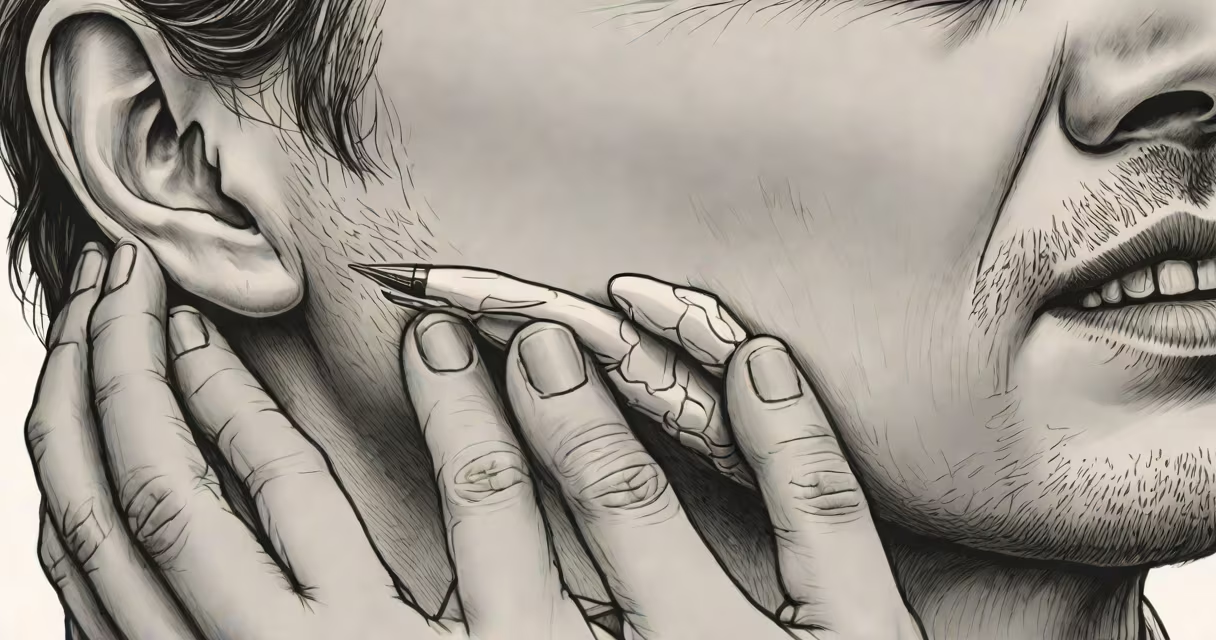
Jaw and tooth pain results from issues in the temporomandibular joint (TMJ), teeth, or nerves. Common triggers include bruxism, dental decay, infections, or nerve compression. The pain may radiate between the jaw, teeth, and face.
The temporomandibular joint connects the jawbone to the skull. It enables chewing, speaking, and facial expressions. When inflamed or misaligned, it causes localized pain, clicking sounds, and difficulty opening the mouth. According to the American Dental Association, TMJ disorders affect about 12% of adults, with women disproportionately impacted.
Tooth pain often arises from cavities, gum disease, or cracked teeth. Bacteria erode enamel and reach the pulp, triggering inflammation and sharp pain. A 2021 study in the Journal of Oral Rehabilitation found that untreated dental caries lead to irreversible pulpitis in 60% of cases within six months.
Pain begins when pressure or irritation activates nociceptors-nerve endings that detect tissue damage. In the jaw, these receptors cluster around the TMJ capsule, periodontal ligaments, and tooth roots. When activated, they send signals through the trigeminal nerve to the brain.
For example, clenching your jaw during stress increases muscle tension. This compresses the TMJ and stretches connective tissues, causing soreness. Over time, repetitive strain leads to joint degeneration. The National Institute of Dental and Craniofacial Research notes that chronic bruxism can wear down enamel and cause tooth fractures.
Dental infections spread from the pulp to surrounding bone. As bacteria multiply, pus forms and increases pressure inside the jaw. This distends nerve endings, producing throbbing pain. The pain often worsens when lying down due to increased blood flow to the head.
Not all jaw and tooth pain is the same. Different patterns point to distinct underlying conditions.
| Pain Type | Common Causes | Distinctive Features |
|---|---|---|
| Sharp, sudden toothache | Cavity, cracked tooth, abscess | Worsens with hot/cold, may wake you at night |
| Dull, constant jaw ache | TMJ disorder, bruxism | Aggravated by chewing, often felt near the ear |
| Burning or tingling facial pain | Trigeminal neuralgia | Electric-shock-like bursts lasting seconds |
| Pain spreading to neck or ear | Referred pain from sinus or ear infection | May accompany congestion or hearing changes |
Trigeminal neuralgia-a condition affecting the fifth cranial nerve-can mimic tooth pain. Its episodes last seconds but feel like electric shocks. The Mayo Clinic reports that it affects about 5 in 100,000 people annually, typically in those over 50.
Many assume jaw pain always stems from teeth. But TMJ dysfunction can cause symptoms without dental involvement. A 2019 review in Oral Surgery, Oral Medicine, Oral Pathology and Radiology found that 30% of patients with TMJ-related pain had no visible dental pathology on imaging.
Another error is treating tooth pain with over-the-counter painkillers alone. While ibuprofen reduces inflammation, it doesn't address the root cause. For example, a tooth abscess requires antibiotics and drainage. Delaying treatment risks spreading infection to the neck or bloodstream.
Some people believe that home remedies like saltwater rinses cure infections. While rinsing can soothe gums, it won't eliminate bacterial colonies in a deep abscess. A 2020 study in Community Dentistry and Oral Epidemiology showed that 78% of patients with symptomatic dental abscesses needed professional intervention within two weeks.
Pain lasting more than 48 hours, swelling, fever, or inability to open the mouth fully require evaluation. These signs suggest infection or structural damage.
I once treated a patient with severe jaw pain who had ignored a small cavity for months. By the time he visited, the infection had spread to the mandible. He required a root canal, antibiotics, and a surgical drainage procedure. His recovery took six weeks. This case illustrates how early dental care prevents complications.
Recognizing the difference between toothache and TMJ pain prevents unnecessary treatments. If pain persists beyond a few days or worsens with movement, consult a dentist or oral specialist. Early diagnosis improves outcomes and reduces long-term damage.