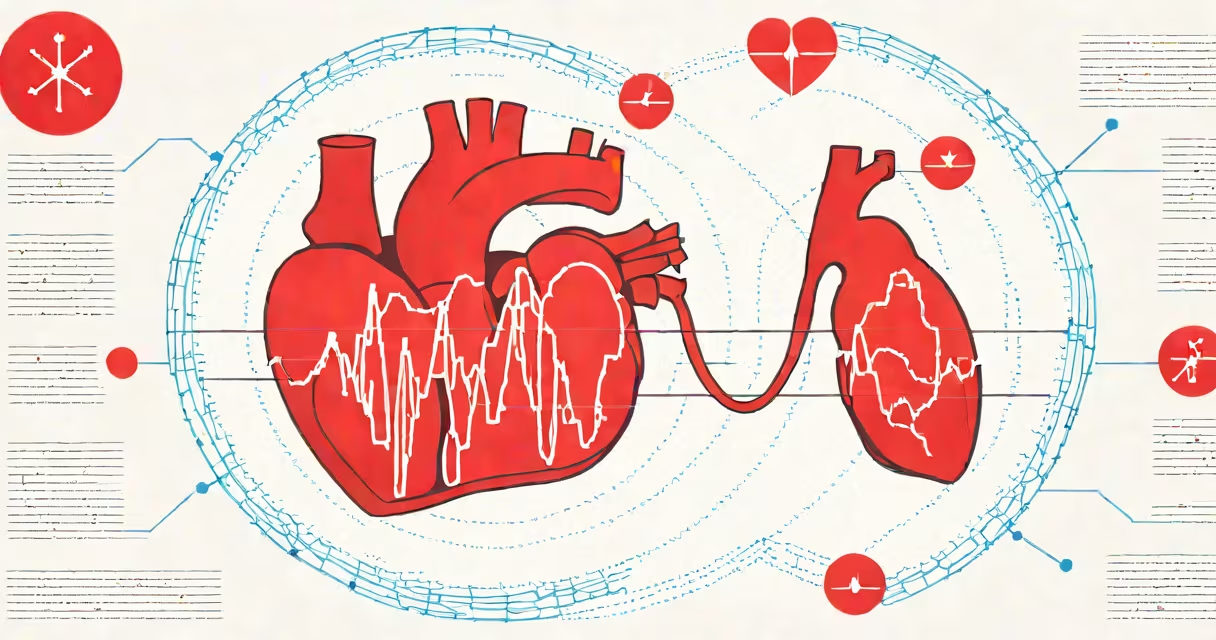
A low heart rate, typically defined as fewer than 60 beats per minute (bpm) at rest, occurs when the heart pumps blood at a slower-than-average rate. This can result from physical fitness, medications, or underlying medical conditions affecting the heart's electrical system.
Resting heart rate varies between individuals. For healthy adults, values between 60 and 100 bpm are standard. Rates below 60 bpm qualify as bradycardia, though not all cases require treatment. Athletes often maintain resting rates in the 40s or 50s due to efficient cardiac function. In contrast, sudden drops in heart rate may signal arrhythmias, hypothyroidism, or drug toxicity.
The American Heart Association notes that bradycardia is diagnosed when the heart rate remains consistently below 60 bpm during rest. Not all instances are problematic-some people live normally with rates in the 40s. However, symptomatic bradycardia may lead to dizziness, fatigue, or fainting, requiring clinical evaluation.
The heart's rhythm is controlled by the sinoatrial (SA) node, the natural pacemaker located in the right atrium. Electrical impulses generated here spread through the atria and then pass through the atrioventricular (AV) node to the ventricles. When this pathway slows or fails, the heart rate decreases.
Several mechanisms can cause bradycardia. Sinus node dysfunction reduces impulse generation. AV block disrupts signal transmission between atria and ventricles. Medications such as beta-blockers, calcium channel blockers, or digoxin interfere with conduction. Hypothermia, electrolyte imbalances, and sleep apnea also suppress heart rate.
An electrocardiogram (ECG) detects abnormal patterns. A prolonged PR interval suggests first-degree AV block. Mobitz Type I (Wenckebach) shows progressively lengthening PR intervals before a dropped beat. Mobitz Type II features regular PR intervals with intermittent dropped QRS complexes. These findings help distinguish causes and guide treatment.
Bradycardia falls into several categories based on origin and mechanism:
| Type | Origin | Common Triggers | Typical Heart Rate Range |
|---|---|---|---|
| Sinus Node Dysfunction | SA node | Aging, ischemic heart disease, post-cardiac surgery | 40-55 bpm |
| AV Block | AV node or bundle branches | Medications, myocarditis, congenital defects | 40-60 bpm |
| High-Vagotonia | Autonomic nervous system | Elite endurance athletes, deep breathing, vagal stimulation | 35-50 bpm |
| Drug-Induced | Pharmacological effect | Beta-blockers, calcium channel blockers, amiodarone | 40-65 bpm |
One non-obvious distinction: high vagal tone in athletes is benign. The heart adapts to increased stroke volume, reducing the need for frequent contractions. A marathon runner may have a resting rate of 42 bpm yet feel no symptoms. Conversely, a sedentary individual with a rate of 50 bpm and fatigue likely requires further assessment.
I observed this firsthand while monitoring a 38-year-old cyclist during a routine check-up. His resting heart rate was 44 bpm, he reported no dizziness or chest pain, and his ECG showed sinus bradycardia with normal conduction. He had no history of heart disease. After confirming normal exercise tolerance, we concluded it was physiological bradycardia-a sign of cardiovascular fitness, not pathology.
Low heart rate is not inherently dangerous. The U.S. National Library of Medicine states that asymptomatic bradycardia in trained individuals poses no increased risk of mortality. However, when accompanied by symptoms, it may indicate serious issues.
Red flags include:
If these occur, especially during exertion or upon waking, immediate evaluation is warranted. The presence of syncope with bradycardia increases the risk of sudden cardiac death. The European Society of Cardiology recommends implantable loop recorders for unexplained syncope with slow heart rates.
Some patients mistake low heart rate for anxiety or stress. But while anxiety typically elevates heart rate, bradycardia reflects reduced sympathetic activity. Confusion arises when patients report "feeling weak" despite a low rate. In such cases, a 24-hour Holter monitor helps capture intermittent episodes missed during office visits.
Bradycardia is frequently mistaken for tachycardia, particularly in patients who misinterpret their pulse. A person with atrial fibrillation may feel irregular beats and assume they're experiencing a rapid heart rate, even when the average is below 60 bpm.
Another common error: equating low heart rate with poor fitness. In reality, lower resting rates correlate with better cardiovascular health in most populations. A 2021 study published in JAMA Network Open found that men with resting heart rates under 50 bpm had a 24% lower risk of all-cause mortality over 10 years compared to those above 70 bpm.
Some assume all low heart rates require a pacemaker. That's false. Only symptomatic bradycardia with documented pauses or hemodynamic instability qualifies. The Heart Rhythm Society guidelines state that pacemaker implantation is indicated when symptomatic bradycardia persists despite discontinuing causative medications.
For context, a patient taking metoprolol for hypertension may develop a resting rate of 48 bpm. If they remain asymptomatic, no intervention is needed. But if they report lightheadedness, dose reduction or alternative therapy is considered. Monitoring symptoms-not just numbers-is key.
Low heart rate is not always a problem. It can reflect excellent cardiovascular conditioning. But when symptoms arise, it may point to treatable conditions. Always assess the whole picture-numbers alone don't tell the story.