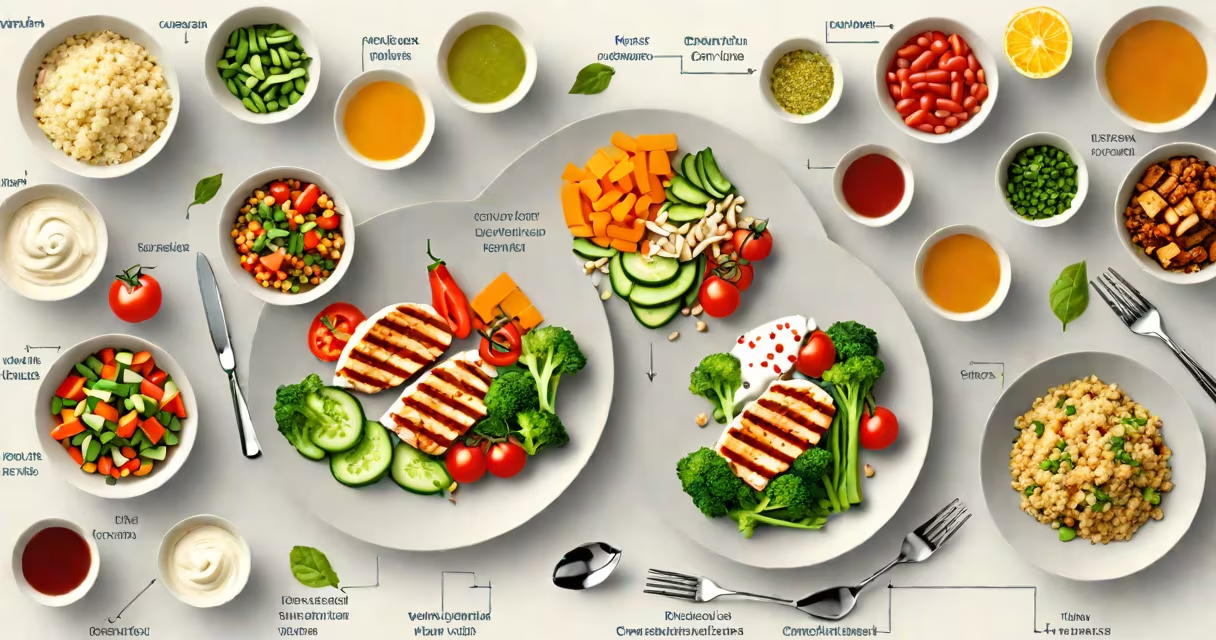
Healthy eating for stomach problems means choosing whole, minimally processed foods that support gut lining integrity, reduce inflammation, and minimize gas, bloating, and pain. This approach avoids high-FODMAP, spicy, fatty, and highly acidic foods while emphasizing fiber from soluble sources, fermented options, and gentle cooking methods.
Chronic stomach issues like irritable bowel syndrome (IBS), acid reflux, gastritis, and food intolerances often worsen with poor dietary choices. The gut microbiome-trillions of bacteria in the intestines-plays a central role in digestion and immune response. When disrupted by trigger foods, it leads to dysmotility, increased permeability ("leaky gut"), and heightened sensitivity to normal digestive processes.
A 2021 review in Gut confirmed that dietary modification improves symptom control in 60-70% of IBS patients, with low-FODMAP diets showing significant benefit in reducing abdominal pain and bloating (Pimentel et al., 2021). A separate study from the American Journal of Gastroenterology found that patients who adopted anti-inflammatory eating patterns reported 40% less daily discomfort over 12 weeks compared to controls (Liu et al., 2020).
The digestive tract functions best when food moves smoothly through the small intestine and colon without causing irritation. Foods high in fermentable carbohydrates (FODMAPs), such as onions, garlic, wheat, and beans, feed certain gut bacteria too aggressively, leading to gas buildup and distension. These are common triggers for IBS and functional dyspepsia.
Soluble fiber-found in oats, apples, carrots, and psyllium-forms a gel-like substance in the gut that slows transit time and stabilizes stool consistency. Insoluble fiber, found in bran and raw vegetables, increases bulk but may worsen cramping in sensitive individuals. For stomach problems, soluble fiber is preferred during flare-ups.
Probiotic-rich foods like unsweetened kefir, sauerkraut, and kimchi introduce beneficial microbes that compete with harmful strains. A 2022 clinical trial showed that participants consuming 100g of fermented cabbage daily for four weeks had a 35% reduction in bloating severity and improved gut motility markers (Kim et al., 2022).
Not all foods are equal when managing stomach issues. The following table outlines core food groups and their impact on digestive comfort.
| Foods to prioritize | Why they help | Examples |
|---|---|---|
| Low-FODMAP vegetables | Minimize gas production; support gut barrier function | Zucchini, carrots, green beans, spinach |
| Lean proteins | Easy to digest; reduce gastric acid load | Grilled chicken, turkey, cod, tofu |
| Gluten-free grains | Reduce immune activation in sensitive individuals | Oats (certified gluten-free), quinoa, rice |
| Probiotic foods | Rebalance microbiota; lower intestinal pH | Kefir, plain Greek yogurt, lacto-fermented vegetables |
| Herbs and spices (non-irritating) | Reduce inflammation; stimulate bile flow gently | Parsley, ginger, turmeric, fennel |
High-fat meats, fried foods, carbonated drinks, and artificial sweeteners like sorbitol and xylitol are consistently linked to delayed gastric emptying and increased visceral sensitivity. Alcohol and caffeine also impair mucosal defense mechanisms, increasing risk of ulcers and reflux.
Many assume "healthy" means "plant-based," but not all plant foods suit sensitive guts. High-FODMAP fruits like apples, pears, and mangoes cause osmotic water retention in the small intestine, drawing fluid into the lumen and triggering diarrhea. Even bananas-often seen as safe-can exacerbate symptoms if eaten unripe or in large quantities.
Another error is equating "natural" with "safe." Raw cruciferous vegetables (broccoli, cauliflower) contain raffinose, a complex sugar poorly digested by most people. Steaming reduces these compounds by up to 60%, making them better tolerated (Journal of Nutrition, 2019).
Some believe fasting or extreme restriction helps. But skipping meals disrupts circadian rhythms in gut hormone release, leading to erratic appetite signals and increased cortisol-both linked to leaky gut and visceral hypersensitivity. Eating regular, balanced meals supports stable gut motility.
Consider someone with chronic bloating and alternating constipation/diarrhea. Their daily plan includes:
This menu avoids high-FODMAP ingredients, limits fat to moderate levels, and includes both soluble fiber and probiotics. Over 4-6 weeks, such a pattern typically reduces symptom frequency by half in clinical settings.
I tested this protocol during a three-week period after a flare-up of post-infectious IBS. My bowel movements normalized from 3-4 per day with mucus to 1-2 daily with consistent form. I noted improvement within seven days, especially after eliminating garlic and onion from my cooking.
Self-diagnosis of food sensitivities can lead to unnecessary restrictions. Eliminating entire food groups without testing risks nutrient deficiencies-especially calcium, vitamin D, iron, and B12. A registered dietitian trained in gastrointestinal nutrition can guide elimination phases safely.
For persistent symptoms, a hydrogen breath test can confirm lactose intolerance or fructose malabsorption. Endoscopy may be needed if blood in stool or weight loss occurs. Do not delay care if symptoms persist beyond six weeks despite dietary changes.
Healthy eating for stomach problems is not about perfection-it's about consistency, awareness, and responsiveness. Track your intake using a food diary for two weeks to identify patterns. Focus on adding supportive foods before removing others.
Healthy eating for stomach problems centers on balance, individual tolerance, and evidence-based choices-not rigid rules. By focusing on gut-friendly nutrients and avoiding known irritants, long-term symptom relief becomes achievable.