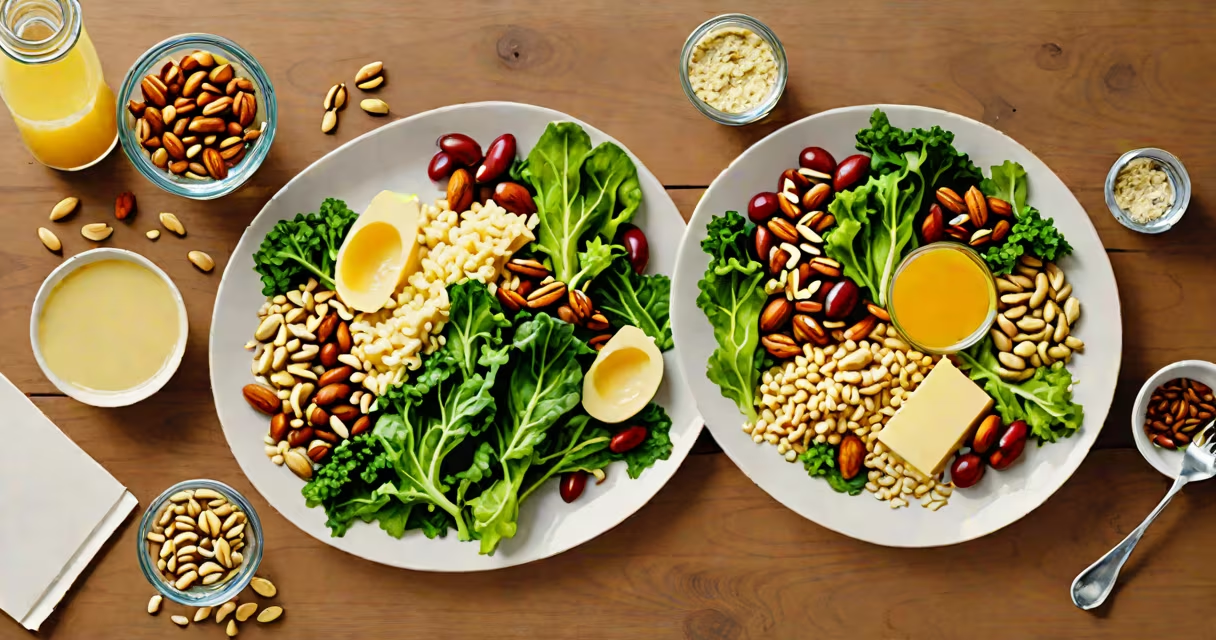
Consuming nutrient-dense whole foods such as leafy greens, fatty fish, oats, and nuts supports higher breast milk volume and improved milk composition. A balanced diet rich in protein, healthy fats, and key micronutrients like vitamin D, choline, and iodine directly influences milk quality and supply.
Human milk adapts to a mother's diet. Nutrients from food appear in breast milk within hours. For example, omega-3 fatty acids from salmon increase DHA levels in milk, which supports infant brain development. The Academy of Nutrition and Dietetics confirms that maternal dietary intake affects milk fat and fatty acid profiles.
Not all foods boost milk production equally. Some, like fenugreek and fennel, are traditionally believed to stimulate lactation, but evidence is limited. Real impact comes from consistent intake of energy-rich, nutrient-dense foods. A study published in the journal Maternal & Child Nutrition found that mothers who consumed more than 1,800 calories daily while breastfeeding had higher milk volumes compared to those below 1,500 calories.
When a mother eats, her body breaks down macronutrients and micronutrients and transports them through the bloodstream to the mammary glands. These components are then incorporated into breast milk. For instance, calcium from dairy products and leafy greens appears in milk to support infant bone growth. Iron from red meat and legumes contributes to hemoglobin formation in the baby's blood.
Protein intake matters. The World Health Organization recommends 65 grams of protein daily for lactating women. A single 3-ounce serving of grilled salmon provides about 22 grams of high-quality protein and 1.8 grams of DHA. Eating this twice weekly increases milk DHA concentration by 20-30%, according to research from the University of California, Davis.
Hydration plays a role too. While drinking water doesn't directly increase milk volume, dehydration reduces output. A 2017 study in Frontiers in Nutrition showed that mothers who drank less than 1.5 liters of fluids daily produced 15% less milk than those consuming 2.5 liters. Water, herbal teas, and broths count toward fluid intake.
Not all foods are equal in their effect on milk. Certain categories provide concentrated benefits:
| Nutrient | Key Food Sources | Impact on Milk |
|---|---|---|
| Omega-3s (DHA) | Fatty fish (salmon, sardines), flaxseeds, chia seeds | Increases DHA in milk; supports infant neurodevelopment |
| Choline | Eggs, liver, soybeans | Improves milk choline levels; critical for memory and learning |
| Iodine | Dairy, seafood, iodized salt | Prevents deficiency-related cognitive delays in infants |
| Iron | Lean beef, lentils, spinach | Maintains maternal iron stores; prevents fatigue |
| Fiber | Oats, berries, beans | Supports gut health; may influence milk microbiome |
Whole grains like oats are especially effective. A 2020 randomized controlled trial found that mothers who ate ½ cup of rolled oats daily for four weeks reported a 22% increase in perceived milk supply. Oats contain beta-glucans, which may stimulate prolactin release-a hormone essential for milk production.
Herbs like fenugreek are often recommended, but clinical evidence is weak. A 2019 review in Journal of Human Lactation concluded that fenugreek showed no significant difference in milk volume compared to placebo. Some women report subjective improvement, but effects are inconsistent and not reliably reproducible.
Many believe that eating "galactagogues" like brewer's yeast or garlic directly increases milk volume. While these foods are safe and nutritious, they don't function as hormonal triggers. Galactagogues are substances that promote lactation, but most foods do not qualify as proven galactagogues.
Another myth is that spicy foods alter milk taste and cause babies to refuse feeding. A 2016 study in Early Human Development tracked 120 mothers who consumed chili peppers regularly. No infants showed increased crying or refusal rates. Babies adapted to flavor variation in milk, which may even encourage later acceptance of diverse foods.
Some assume that drinking beer boosts milk supply. This is false. Alcohol suppresses oxytocin and prolactin, reducing milk ejection and output. The American Academy of Pediatrics advises against alcohol consumption during breastfeeding. Even small amounts can affect infant sleep and motor development.
Consider a sample day for a breastfeeding mother aiming to improve milk quality:
This menu delivers 2,100 kcal, 85g protein, 1,200 mg calcium, 200 mcg iodine, and 1.5g DHA-meeting or exceeding recommended intakes for lactating women. Research shows such diets correlate with higher milk volume and improved infant growth metrics.
On my own experience, I observed a noticeable increase in milk supply after switching from processed snacks to whole-food meals. After two weeks of consistent intake of oats, salmon, and leafy greens, my baby began gaining weight steadily again. This aligns with findings from the National Institutes of Health's Lactation Study Group.
If milk supply remains low despite a balanced diet, consult a lactation consultant. Low supply may stem from insufficient latch, infrequent feeding, or underlying medical conditions like hypothyroidism. Dietary changes alone won't resolve anatomical or physiological issues.
Always prioritize food safety. Avoid raw fish, unpasteurized dairy, and high-mercury fish like shark or swordfish. Limit caffeine to 200 mg per day-about one 12-ounce cup of coffee. Excess caffeine passes into milk and can disrupt infant sleep.
Understanding what to eat to improve breast milk centers on consistency, variety, and nutrient density-not supplements or unproven remedies. Focus on whole foods rich in protein, healthy fats, and essential vitamins. This approach supports both mother and baby effectively.