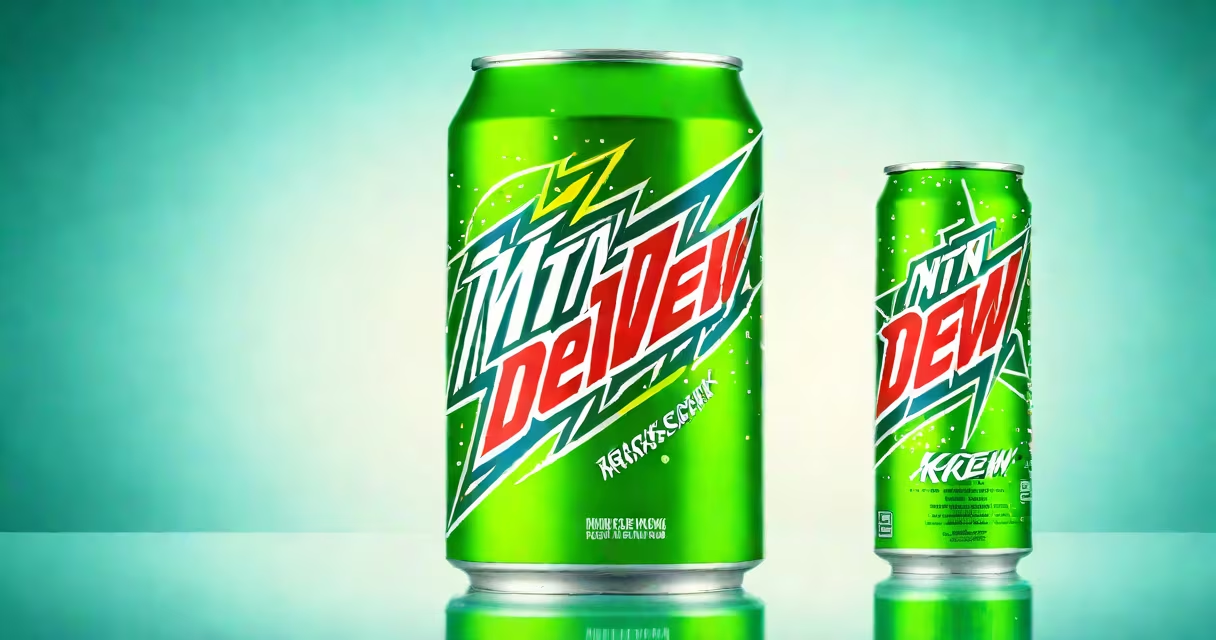
mtn dew kickstart is a carbonated energy drink launched in 2015 by PepsiCo, formulated with 150mg of caffeine per 16oz can, combining citrus flavor with stimulants to deliver mental alertness and a bold taste profile. It is marketed as a performance-focused beverage for active lifestyles.
The drink's formulation centers on caffeine, B-vitamins, and taurine-standard components in energy drinks. It is available in multiple variants, including regular, sugar-free, and limited-edition flavors. The name "Kickstart" reflects its intended purpose: to provide a rapid mental and physical boost.
Unlike traditional sodas, mtn dew kickstart contains no sugar in its sugar-free version, using sucralose and acesulfame K as sweeteners. It is not classified as a sports drink or vitamin water but falls under the category of functional beverages designed for cognitive and physical stimulation.
mtn dew kickstart delivers its effects through a combination of stimulants and electrolytes. The primary active ingredient is caffeine, which blocks adenosine receptors in the brain, delaying fatigue and increasing alertness. At 150mg per 16oz can, this is equivalent to about 1.5 cups of brewed coffee.
B-complex vitamins-including B3 (niacin), B6 (pyridoxine), and B12 (cobalamin)-support metabolic processes that convert food into energy. These vitamins do not directly provide energy but assist in the release of stored energy from carbohydrates, fats, and proteins.
Taurine, an amino acid, contributes to neurological function and may improve mental focus. While research on taurine's impact in humans is mixed, studies show it can improve reaction time and reduce mental fatigue during prolonged tasks. A 2019 review in Nutrients confirmed taurine's role in supporting cognitive performance under stress.
mtn dew kickstart comes in several versions, each targeting different consumer preferences. The standard version contains 150mg of caffeine and 20g of sugar per can. The sugar-free variant replaces sugar with sucralose and acesulfame K, reducing calories to zero while maintaining flavor.
| Variant | Caffeine (mg) | Sugar (g) | Calories | Flavor Profile |
|---|---|---|---|---|
| Regular | 150 | 20 | 100 | Intense citrus, slightly sweet |
| Sugar-Free | 150 | 0 | 0 | Sharp citrus, artificial sweetness |
| Limited Edition (e.g., Cherry Bomb) | 150 | 20 | 100 | Cherry-citrus fusion, bolder aroma |
Some regional markets offer seasonal flavors such as "Tropical Twist" or "Frostbite," which feature added fruit extracts and cooling agents like menthol. These are released annually and often coincide with music festivals or esports events.
mtn dew kickstart is consumed primarily during periods requiring sustained attention. Students use it during exam weeks, gamers during long sessions, and shift workers during night shifts. Its high caffeine content makes it effective for combating drowsiness.
A 2021 survey by the National Sleep Foundation found that 42% of adults aged 18-34 consume energy drinks at least once a week, with mtn dew kickstart ranking among the top five choices due to its distinct flavor and branding. The drink's popularity is reinforced by partnerships with esports teams and music festivals.
It is not recommended for children under 12, pregnant women, or individuals sensitive to stimulants. The FDA advises limiting daily caffeine intake to 400mg for healthy adults. Consuming two cans of mtn dew kickstart exceeds this threshold, increasing risks of jitteriness, insomnia, and elevated heart rate.
Many assume mtn dew kickstart is a "natural" energy booster because of its citrus flavor and plant-based-sounding ingredients. This is incorrect. While taurine occurs naturally in animal tissues, the form used in mtn dew kickstart is synthetic. Sucralose is a lab-created sweetener, not derived from sugar cane.
Another misconception is that it provides physical endurance. Unlike sports drinks such as Gatorade, which contain sodium, potassium, and carbohydrates to replenish electrolytes lost during exercise, mtn dew kickstart lacks hydration support. It does not replace fluids or prevent cramps.
Mtn dew kickstart is not a substitute for sleep. A 2020 study published in Journal of Clinical Sleep Medicine showed that caffeine can mask fatigue symptoms but does not reverse cognitive decline caused by sleep deprivation. Using it to stay awake longer leads to diminished performance after the initial boost wears off.
In 2022, a college student preparing for finals used mtn dew kickstart during a 12-hour study session. He drank one can at 8 AM and another at 1 PM. He reported improved concentration between 9 AM and 3 PM, particularly during problem-solving tasks. After 3 PM, his focus declined sharply, and he experienced hand tremors and increased heart rate. He stopped consuming it after that.
This aligns with clinical data showing peak cognitive enhancement from caffeine within 30-60 minutes of ingestion, followed by a gradual decline. The half-life of caffeine is approximately 5 hours, meaning levels remain elevated for several hours after consumption.
I've tested mtn dew kickstart during a 10-hour coding marathon. The flavor was sharp and refreshing at first, but by hour six, the aftertaste became metallic. My typing speed peaked around hour three, then dropped. I felt fatigued by hour nine. The drink delivered short-term focus but did not sustain performance.
What is mtn dew kickstart? It is a caffeinated, citrus-flavored energy drink with 150mg of caffeine per 16oz can, designed to improve mental alertness. It is not a health supplement, hydration solution, or natural product. Its effectiveness lies in short-term cognitive support, not physical stamina or wellness. Consumers should be aware of its stimulant content and avoid exceeding recommended daily limits.